Direct access to certified technical alloys designed for heavy infrastructure, pipe engineering, and precision tooling.
Modern mechanical engineering demands uncompromising precision in welding consumables. From metallurgical alignment to mechanical property preservation, structural welding relies on standard certifications defined by international bodies like the American Welding Society (AWS), ISO, and EN standards.
Each electrode composition, flux formulation, and core wire alloy plays a distinct role in resolving thermal stresses and preventing structural defect dynamics like Hydrogen-Induced Cracking (HIC) or heat-affected zone (HAZ) embrittlement. As a tier-1 OEM factory, we synthesize high-purity core metals and protective rutile, low-hydrogen, or submerged slag agents to meet critical yield thresholds under extreme loads.
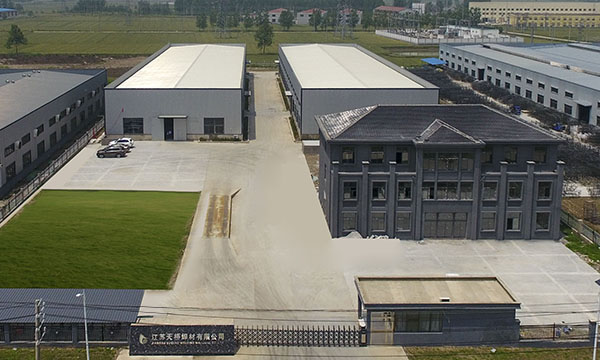
Established in 2007 and strategically situated 30 kilometers southwest of Shijiazhuang, our manufacturing complex sits alongside China's major transport arteries, just 20 kilometers west of the 107 National Highway, and adjacent to the Shixing and Jingzan Highways. This logistics-forward location enables rapid global distribution via Tianjin Port. Backed by rigorous engineering facilities, complete spectral and mechanical testing laboratories, and a dedicated team across our Production, Technical, R&D, QC & Laboratory, Sales, and Logistics divisions, we deliver consistent metallurgical performance.
Understanding the chemistry and application of specialized welding alloys to optimize weld pool fluidity, mechanical yield, and slag detachability.
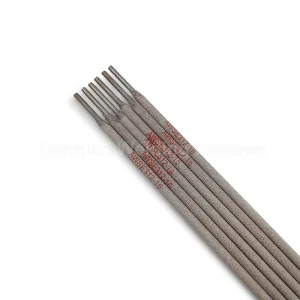
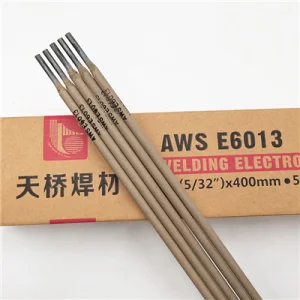
Products like our AWS E6013 utilize a thick organic rutile coating for smooth, low-spatter performance, making them suitable for thin sheet steel fabrication, lightweight structures, and cosmetic finishes with self-peeling slag characteristics.
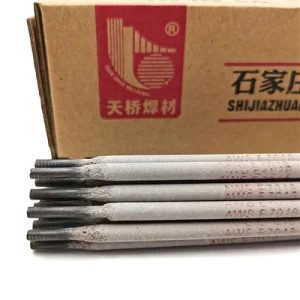
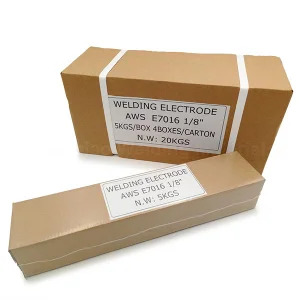
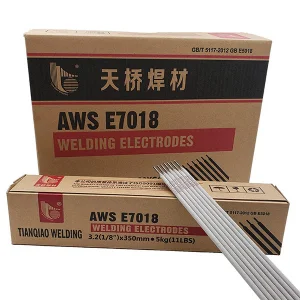
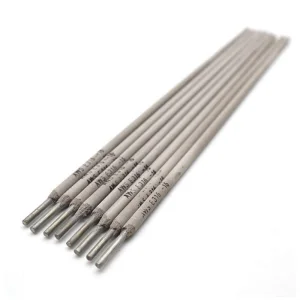
Our AWS E7018 and J506 E7016 feature basic potassium iron powder coatings, delivering ultra-low diffusible hydrogen levels to secure the structural integrity of high-tensile pipelines and pressure vessels.
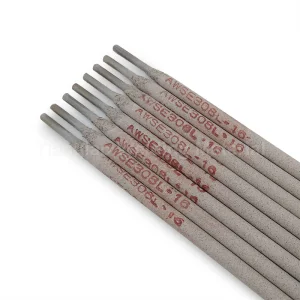
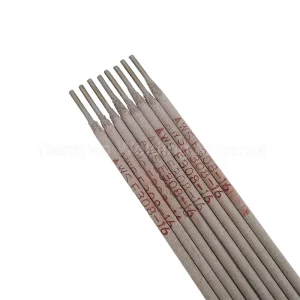
Alloys such as AWS E308L-16, E312-16, and E316-16 integrate precise chromium-nickel matrices to prevent carbide precipitation at grain boundaries, ensuring high corrosion resistance in acidic or marine environments.
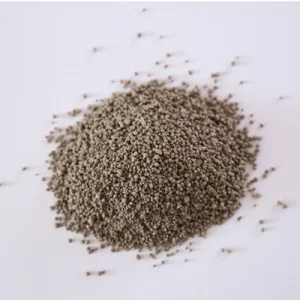
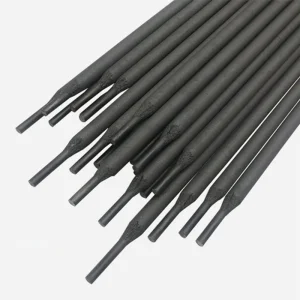
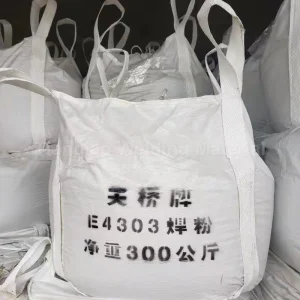
Wear-resistant hardfacing rods (D507, D608) and submerged arc welding fluxes (SJ301) provide wear protection and high deposition rates for heavy industrial equipment reclamation and pipeline manufacturing.
Key specifications across standard OEM materials manufactured under the Brand Names "Yuanqiao" & "Changshan".
| Specification AWS Standard | Tensile Strength (MPa) | Yield Strength (MPa) | Elongation (%) | Impact Toughness (Charpy V-Notch) | Typical Applications |
|---|---|---|---|---|---|
| AWS E6013 (Rutile Grade) | ≥ 430 | ≥ 330 | ≥ 17 | 0 °C ≥ 47 J | Sheet metal work, structural frames, non-pressure piping |
| AWS E7018 (Low-Hydrogen) | ≥ 490 | ≥ 400 | ≥ 22 | -30 °C ≥ 47 J | Boilers, pressure vessels, bridge girders, offshore platforms |
| AWS E308L-16 (Stainless Steel) | ≥ 520 | ≥ 320 | ≥ 35 | RT (Room Temp) ≥ 70 J | Petrochemical facilities, food processing, cryogenic tanks |
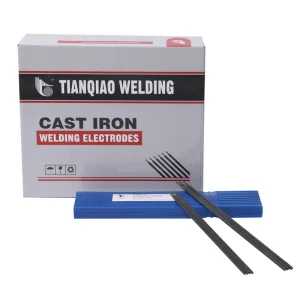
| AWS ENiFe-CI (Z408 Cast Iron) | ≥ 350 | ≥ 220 | ≥ 10 | N/A | Engine blocks, machine tools, cast iron joint overlays |
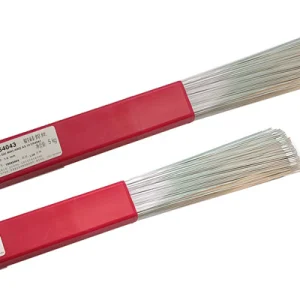
| AWS ER4043 (Al Aluminum Wire) | ≥ 165 | ≥ 70 | ≥ 18 | N/A | Al-Mg-Si structural alloys, heat exchangers, auto body panels |
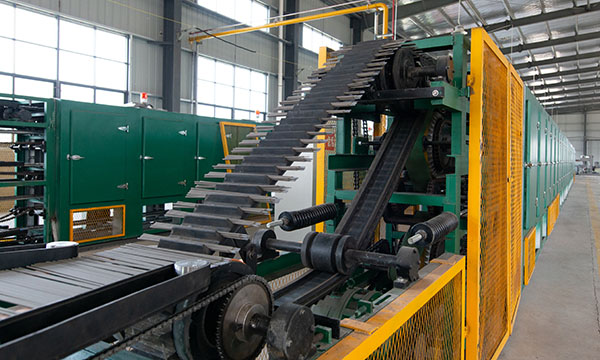
The performance of Shijiazhuang Tianqiao's products is backed by structured quality control protocols, tracing raw steel rod purification to the chemical composition of flux coatings.
Our raw inputs are sourced from domestic metallurgical complexes, mitigating the cost fluctuations associated with carbon steel, high-purity nickel, and aluminum wire rods.
Each shipment is accompanied by Mill Test Certificates (MTC) conforming to EN 10204 3.1, validating chemical composition ranges, Charpy impact toughness values, and elongation yields. This compliance helps our distributors navigate rigorous import certifications in North America, Europe, South America, Australia, Africa, the Middle East, and Southeast Asia.
How we are shifting our product lines to address the demands of the fourth industrial revolution and carbon-reduction initiatives.
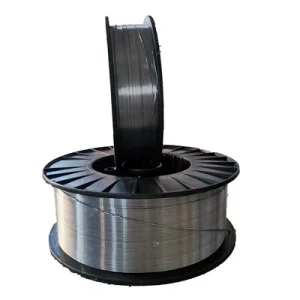
Our flux-cored wire formulations, including the E71T-11 series, are optimized for automatic wire feeding mechanisms. This modification maintains arc stability and wire feed rates, helping to limit copper nozzle wear in high-volume production lines.
Responding to industrial safety updates, our R&D laboratory has reduced raw mineral carbonate levels in rutile coatings. This adjustment reduces particulate fume emission concentrations by up to 25%, helping operators align with local workshop safety regulations.
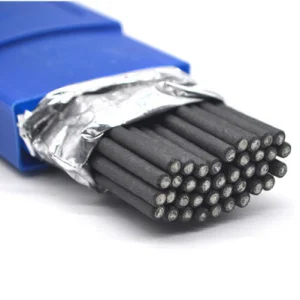
Through moisture-resistant packaging designs and vacuum hermetic seal methods, our low-alloy steel consumables are protected from moisture absorption. This packaging maintains low diffusible hydrogen performance even after long-term storage in high-humidity tropical ports.
Technical solutions and specification clarifications for welding engineers and global procurement directors.
Full catalog of specific alloys, surfacing rods, and raw flux powders for global manufacturing requirements.
Partner directly with a certified OEM supplier. Our technical team is available to assist with custom formulations, bulk packaging, and certification alignments.
Contact Technical Department Tianqiao Welding