Explore our high-performance electrodes, flux-cored wires, and industrial gas-shielded materials designed for absolute metallurgical integrity.
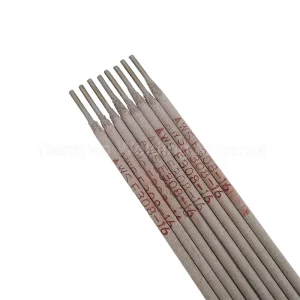
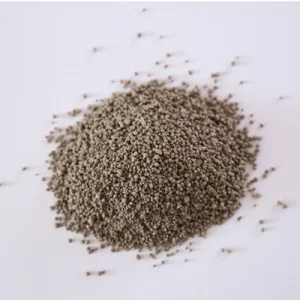
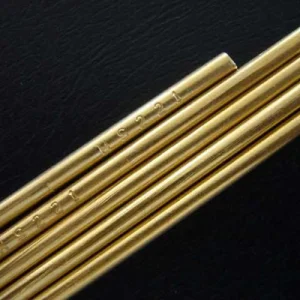
In modern industrial fabrication, welding is not merely a joining technique; it is a critical science that determines the structural integrity, safety, and operational lifespan of heavy engineering projects. From deep-sea oil platforms and transcontinental high-pressure piping networks to skyscraper skeletons and high-speed rail systems, the choice of welding consumables has direct consequences on human life and massive corporate investments. Understanding global OEM Welding Standards and selecting an authorized OEM supplier and factory is therefore a primary mandate for procurement departments and Quality Assurance (QA) engineers alike.
Global standards, such as those established by the American Welding Society (AWS), the International Organization for Standardization (ISO), the European Committee for Standardization (EN), and China's Guobiao (GB) system, serve as the baseline language for metallurgical quality. When an OEM factory designs parts, they mandate exact chemical compositions, mechanical property ranges, and hydrogen level restrictions in weld deposits. In this definitive guide, we evaluate the core parameters of welding standards, examine how a premier Chinese OEM supplier aligns with global compliance demands, and analyze why Shijiazhuang Tianqiao Welding Materials Co., Ltd. is positioned as a globally trusted industry leader.
Analyzing metallurgical quality, raw material integration, and cost efficiencies that empower global manufacturing operations.
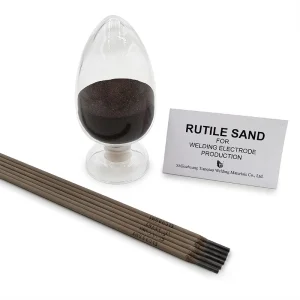
Chinese OEM suppliers benefit from local access to high-grade industrial minerals and metals. For instance, the production of welding electrodes relies on premium rutile sand for coating stability and high-purity iron powders. By securing domestic supply chains, factories control mineral processing closely, reducing impurities like sulfur and phosphorus which could otherwise compromise weld crack resistance.
Leading Chinese factories house sophisticated testing facilities equipped with optical emission spectrometers, universal tensile testing machinery, charpy V-notch impact testers, and diffuse hydrogen analyzers. These facilities ensure that all OEM carbon steel, low-alloy steel, and stainless steel formulations maintain stable mechanical properties under severe conditions.
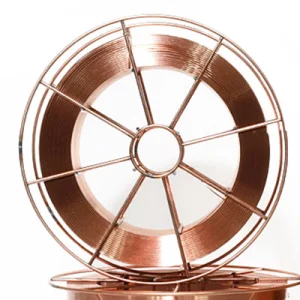
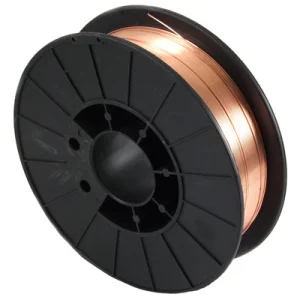
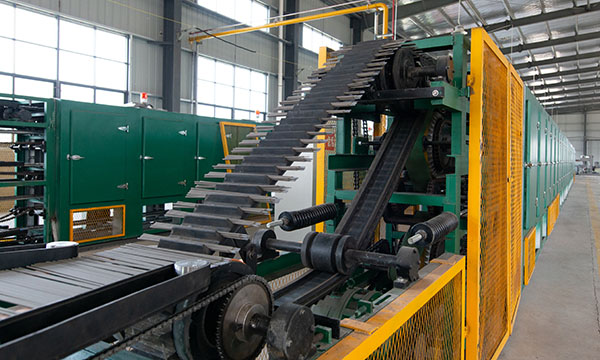
From automated wire drawing and high-speed coating extrusion to robotic packaging, modern production plants reduce human error margins. Automation delivers highly consistent wire diameters, precise copper plating thicknesses, and uniform flux coating distribution. These parameters are crucial for ensuring stable wire-feeding performance in automated GMAW/MIG processes.
A standard-setting Chinese manufacturer driving international excellence since 2007.
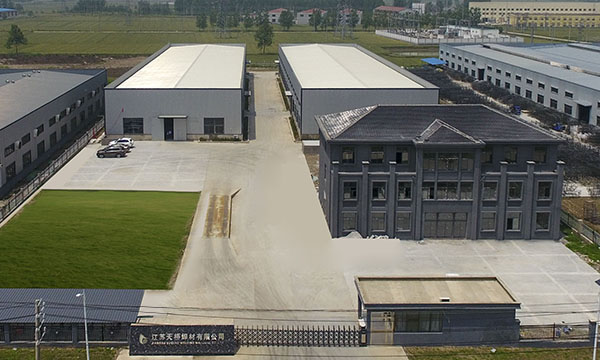
Shijiazhuang Tianqiao Welding Materials Co., Ltd. was founded in 2007, located 30 kilometers southwest of Shijiazhuang. Our facility features excellent transit links, situated only 20 kilometers west of the 107 National Highway, with fast access to both the Shixing and Jingzan Highways. This prime geographic location ensures smooth, efficient transportation networks to major global shipping ports.
We boast a strong technical force and complete product testing equipment to maintain stable, reliable product quality. To maintain rigid quality assurance, our company is structured with specialized units, including the Production Department, Technical Department, R&D Department, QC & Laboratory, Sales Department, and Logistics Department.
Under the corporate spirit of "Supreme Quality, Honesty, and Win-Win Cooperation", we aim to achieve common development alongside our global customer base. We are dedicated to building long-term, mutually beneficial relationships with buyers, distributors, and OEM agents worldwide.
How our comprehensive product portfolio answers critical engineering and structural requirements globally.
Our carbon steel electrodes, low-alloy steel consumables, and hard-surfacing materials are optimized for manufacturing construction machinery, mining excavation equipment, and heavy-duty gearboxes where high wear-resistance and joint strength are non-negotiable.
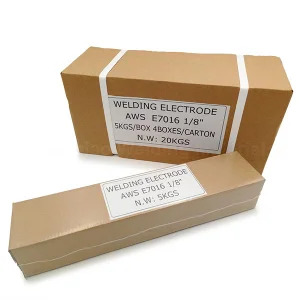
Welding boilers, reactors, and thermal piping demands consumables that perform under extreme heat and pressure. Products like our low-hydrogen J506 (E7016) electrodes ensure excellent crack resistance, minimal radiographic defects, and outstanding low-temperature impact toughness.
Maritime hulls and offshore drilling platforms are continuously exposed to corrosive marine environments. Our stainless steel electrode series (including E308-16 and E316L-16) and high-performance submerged arc fluxes provide robust corrosion resistance against seawater environments.
| Application Sector | Critical Requirement | Recommended Tianqiao Consumable | Key Mechanical Property |
|---|---|---|---|
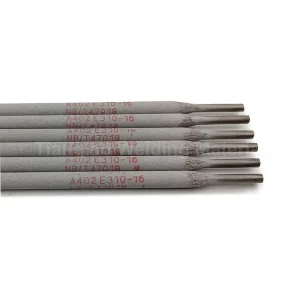
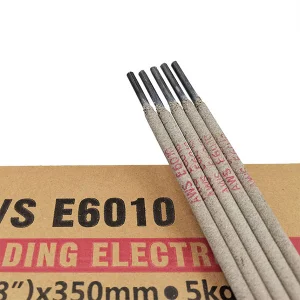
| Structural Steel & Buildings | High deposition rate, ease of slag removal, all-position welding | Mild steel welding electrode E6013 (Rutile) | Tensile Strength ≥ 430 MPa |
| Low-Alloy Pressure Vessels | Resistance to high pressure, low hydrogen embrittlement | Low alloy welding electrode J506 / E7016 | Impact Value (Charpy V-Notch) at -30°C |
| Petrochemical Refineries | Intergranular corrosion resistance in acidic fluids | Stainless steel AWS E316L-16 | Extremely low carbon content (C ≤ 0.04%) |
| Heavy Duty Automation | Continuous automated feeding, high productivity | GMAW Solid Wire AWS ER70S-6 | Excellent arc stability with CO2/Argon shielding |
How R&D is adapting to automation, eco-friendly standards, and high-productivity demands.
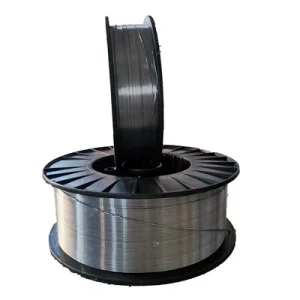
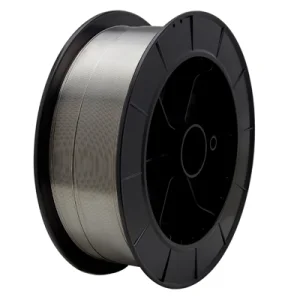
Industrial health regulations are tightening globally. Traditional copper-coated GMAW wires release copper fumes during high-temperature arc operations, posing occupational hazards. The industry is actively shifting toward Non-Copper Coated Welding Wires. By utilizing advanced surface treatment formulations, these wires ensure consistent electrical conductivity and rust prevention without the risk of copper fumes, making them highly desirable for modern, enclosed fabrication plants.
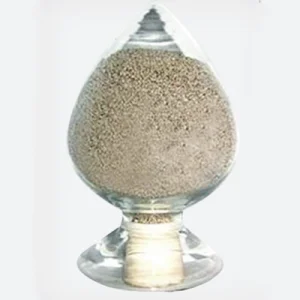
In massive structural components like wind turbine towers and bridge girders, Submerged Arc Welding is the standard process. High-performance sintered fluxes (such as SJ301 and SJ302) act as chemical catalysts. These fluxes shield the weld pool, deoxidize the molten metal, and control weld bead geometry. Modern advancements focus on improving slag detachability, reducing dust generation, and allowing multi-wire high-speed welding configurations.
Flux-cored wires like the E71T-11 combine the advantages of manual electrodes and continuous solid wires. Offering high deposition efficiency and deep penetration capabilities, FCAW systems allow field welders to complete tasks rapidly under windy conditions without relying on heavy external gas tanks. Consequently, high-performance flux-cored wires are increasingly replacing conventional stick electrodes in civil engineering and structural retrofits.
Quality begins with raw materials. The performance of rutile-grade stick electrodes (like E6013) is directly linked to the purity of the rutile sand used in their coatings. R&D efforts are heavily focused on beneficiation technologies to reduce quartz and iron oxide impurities in natural rutile sand, yielding exceptionally smooth arcs, minimal spatter, and self-peeling slag.
Technical answers to critical procurement and engineering queries regarding welding standards compliance.
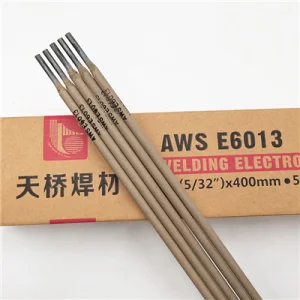
AWS E6013 is a high-rutile potassium electrode suitable for AC and DC currents, offering a soft arc, easy slag removal, and elegant bead appearance. It is ideal for thin sheets and light structural steel. AWS E7018 (comparable to low-hydrogen J506/E7016 in basic classification) is a iron-powder low-hydrogen electrode designed for structural steels requiring high mechanical properties, crack resistance, and low-temperature toughness.
Non-copper coated welding wire eliminates copper fume emissions during welding, ensuring a safer workspace. Additionally, it prevents copper-flake build-up in the wire feeders and liners, leading to smoother wire feeding, reduced nozzle wear, and fewer arc interruptions in high-volume robotic applications.
Sintered fluxes like SJ301 and SJ302 refine the chemical composition of the weld pool. They introduce alloy elements, remove oxygen, and stabilize the electrical arc. SJ301 is an acid-sintered flux with excellent bead cosmetics and slag detachability, whereas SJ302 is a neutral/basic flux that provides superior impact toughness for pressure vessels and thick low-alloy steels.
Tianqiao implements strict process controls under ISO management standards. Every batch of raw materials (steel wire coils, mineral fluxes, rutile sand) undergoes optical spectrometry testing. Finished products undergo mechanical testing (tensile strength, yield point, CVN impact testing) and radiographic analysis to ensure zero-defect welding performance prior to shipment.
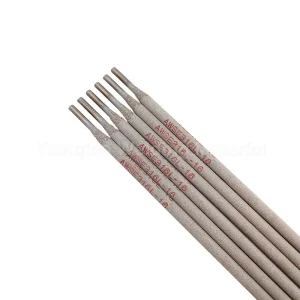
Yes, as a specialized OEM supplier, Shijiazhuang Tianqiao provides full-service customized packaging solutions. This includes branded cardboard boxes, vacuum-sealed plastic wrap, custom wooden pallets, and personalized print markings on the electrodes, fully aligning with client brand standards.
Discover our comprehensive range of specialized wires, fluxes, and alloy consumables for global industrial applications.
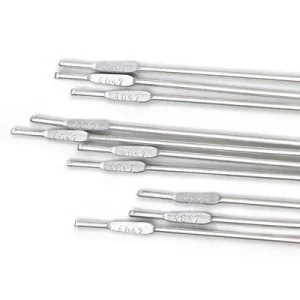
At Shijiazhuang Tianqiao Welding Materials Co., Ltd., we believe that our clients' success is our success. Our products are 100% exported and have been successfully sold worldwide, mainly to the United States, Europe, South America, Australia, Africa, the Middle East, and Southeast Asia. Because of our excellent quality, outstanding performance, and competitive pricing, our products have consistently received a warm welcome from industrial users globally.
We remain committed to establishing mutually beneficial, long-term, and stable relationships with customers and distributors across the globe. Our professional logistic and technical departments stand ready to coordinate shipments, provide localized engineering support, and guarantee consistent supply chains for your production facilities.
Whether you require high-tensile carbon steel electrodes, custom alloy wire specifications, or sintered fluxes for heavy structural projects, our laboratory and technical teams are ready to support your next engineering project. Let us work together to build a splendid, high-performance future.
 Tianqiao Welding