Premium grades and structural steel electrodes engineered for rigorous industrial performance.
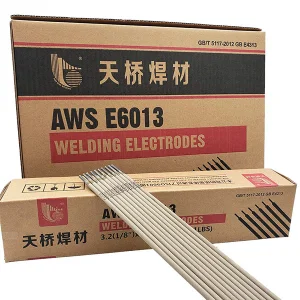
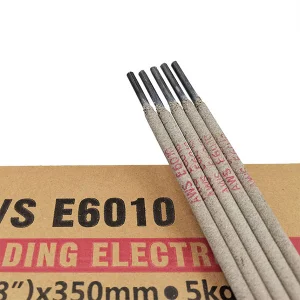
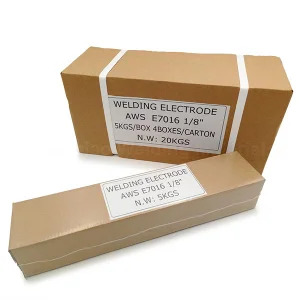
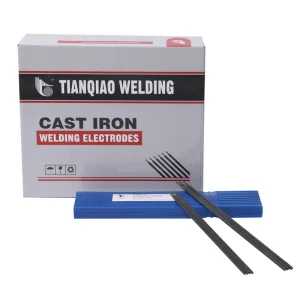
Welding cast iron requires a profound understanding of its metallographic structure. Unlike carbon steel, cast iron contains high percentages of carbon (typically 2% to 4%) primarily structured as graphite flakes or nodules. When subjected to the rapid thermal cycles of arc welding, localized heating can prompt carbon migration, leading to the formation of brittle iron carbide (cementite) in the Heat-Affected Zone (HAZ). This phase transition significantly increases the susceptibility to cold cracking and structural degradation.
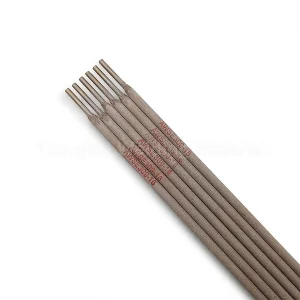
To mitigate these challenges, our professional-grade OEM Z408 (AWS ENiFe-CI) and pure nickel core electrodes are designed with highly precise graphite-type flux coatings. The alloy design utilizes a nickel-iron core wire to restrict the migration of carbon into the weld metal, suppressing the martensitic hardness gradient in the fusion boundary. Through this meticulous metallurgical management, our electrodes yield ductile welds capable of handling mechanical shrinkage stresses during cooling.
For global heavy industries, understanding the distinctions between AWS ENi-CI (pure nickel) and AWS ENiFe-CI (nickel-iron) is crucial. While ENi-CI yields superior machinability for lighter repairs, ENiFe-CI provides higher tensile strength, lower thermal expansion, and greater tolerance for high-phosphorus casting components, making it the ideal selection for critical structural restorations.
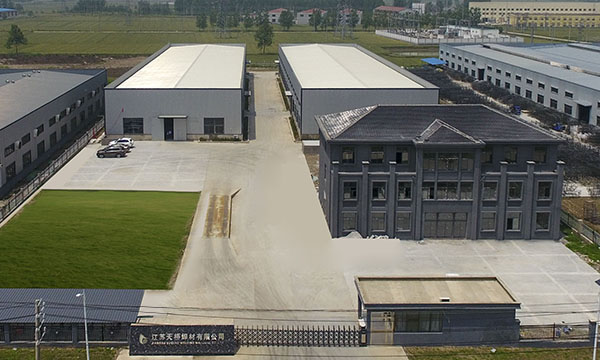
Our industrial data points reflect an unwavering commitment to engineering excellence.
How Shijiazhuang Tianqiao Welding Materials Co., Ltd. delivers global cost efficiency and technical superiority.
Located just 30 kilometers southwest of Shijiazhuang and 20 kilometers from the 107 National Highway, with immediate proximity to the Shixing and Jingzan Highways. This facilitates prompt access to major maritime shipping hubs.
Equipped with complete product testing facilities. Our internal organizational structure spans the Production, Technical, R&D, QC & Laboratory, and Logistics divisions, securing batch-to-batch consistency.
Under the reputable "Yuanqiao" and "Changshan" trademarks, we manufacture structural carbon steel, low-alloy steel, high-tensile heat-resistant, low-temperature, stainless steel, and cast iron electrodes.
As a premier Chinese manufacturer, we tap into vertical integration of key raw materials. The regional abundance of premium minerals like potassium silicate, fluorite, and pure iron powders allows us to optimize flux formulation costs. Furthermore, we maintain complete control over raw core wire drawing processes, ensuring that our clients receive high-performance consumables at competitive global rates.
An overview of chemical compositions and mechanical characteristics for heavy duty repairs.
| AWS Class | Core Wire Type | Typical Chemical Composition of Deposited Metal (%) | Tensile Strength (MPa) | Key Applications |
|---|---|---|---|---|
| AWS ENi-CI (Z308) | Pure Nickel | Ni ≥ 90.0, C ≈ 2.0, Fe ≤ 8.0, Si ≤ 2.5 | ≥ 260 | Thin cast iron castings, gray iron housings, precision gearbox repair requiring post-weld machining. |
| AWS ENiFe-CI (Z408) | Nickel-Iron Alloy | Ni: 45.0–60.0, Fe: Bal., C ≈ 2.0, Si ≤ 2.5 | ≥ 410 | Nodular (ductile) iron, heavy machinery frames, joints between cast iron and carbon steel components. |
| AWS ENiCu-B (Z508) | Nickel-Copper (Monel) | Ni: 60.0–70.0, Cu: 25.0–35.0, Fe ≤ 6.0 | ≥ 340 | Reclamation of surface defects on castings; color matching applications on grey iron parts. |
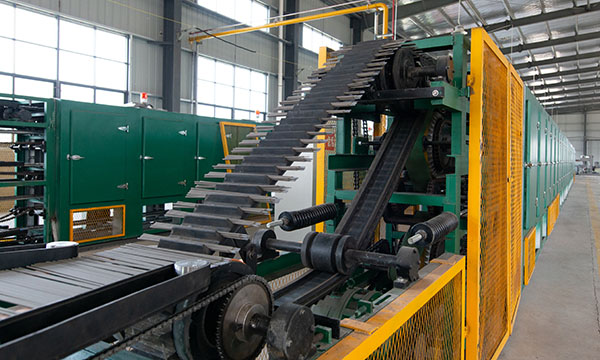
Cast iron electrodes find deployment across critical global sectors. Our products are widely utilized in heavy machinery repair, metallurgical facilities, chemical processing plants, boilers, pressure vessels, maritime hulls, and civic construction projects.
In agricultural and industrial regions, heavy machinery structures like motor blocks, pump casing flanges, and transmission housings frequently experience cyclic mechanical fatigue. Utilizing the AWS ENiFe-CI formulation permits welders to perform repairs without prolonged preheating cycles in certain applications, maintaining casting dimensions and saving downtime.
For marine engineering applications, marine pumps and valves are continuously subjected to saltwater-driven galvanic corrosion and cavitation erosion. Repairing these elements requires a weld deposit that resists electrochemical corrosion while sustaining mechanical bonding. Our nickel-alloyed electrodes deliver a weld deposit chemistry that resists chemical breakdown, extending the service life of expensive maritime cast structures.
Adapting to environmental compliance, automated welding requirements, and modern supply chains.
Modern regulatory codes mandate safer working conditions. Our ongoing R&D efforts center on reducing the hexavalent chromium and fluoride vapor content in the welding fume footprint, protecting operators and minimizing environmental impacts.
Ensuring tracking of chemical purity from casting furnace to electrode extrusion. By employing computerized spectrometer analysis, we document chemistry maps for every production lot to facilitate full industrial tracking.
Industrial distributors benefit from customized packaging solutions. We provide high-barrier vacuum packaging that eliminates ambient humidity ingress, reducing electrode pre-baking times prior to code welding projects.
Technical insight from our R&D metallurgical engineers on cast iron welding best practices.
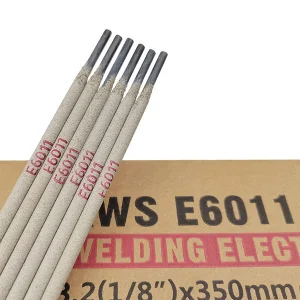
Expanding your industrial options with specialized alloys, wire consumables, and sub-arc fluxes.
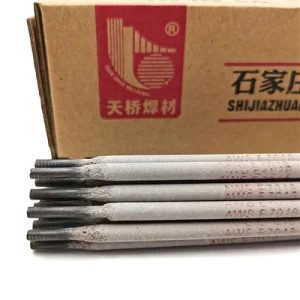
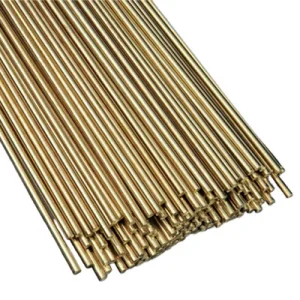
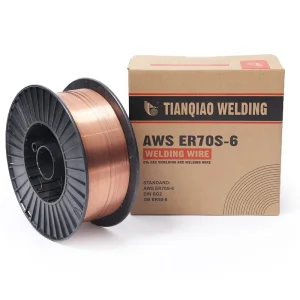
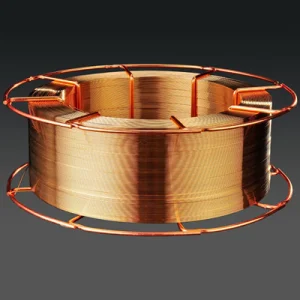
We are dedicated to establishing mutually beneficial, long-term, and stable relationships with industrial users and distributors worldwide. Shijiazhuang Tianqiao Welding Materials Co., Ltd. continuously leverages metallurgical research and process optimization to support your structural integrity goals. Let us work together to engineer a more reliable infrastructure for the future.
 Tianqiao Welding