Engineered for excellence, trusted by global infrastructure leaders.
Defining High-Strength Bonds through Low-Hydrogen Innovation
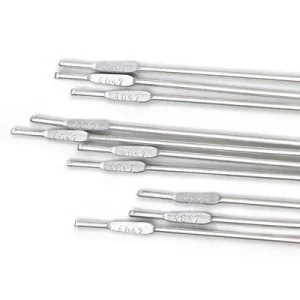
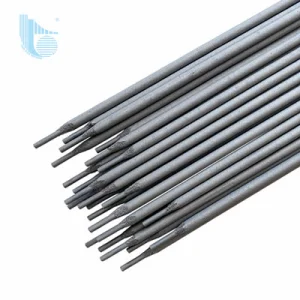
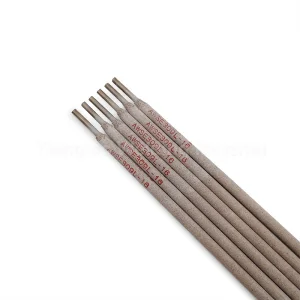
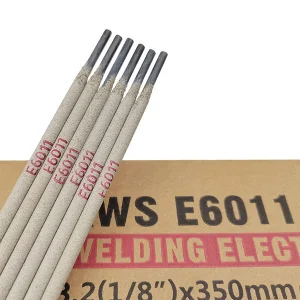
Our OEM 7016 welding rods are engineered with a Low-Hydrogen Potassium coating. This ensures that the weld pool is shielded from atmospheric hydrogen, significantly reducing the risk of "cold cracking" in thick-plate structural steel applications.
Unlike standard 7018 rods which often prefer DCEP, the 7016 variant is optimized for dual-current performance. The potassium-rich coating allows for a stable arc on AC, making it the ideal choice for onsite fabrication where transformer-based welders are common.
Meeting AWS A5.1 E7016 standards, these rods deliver a minimum tensile strength of 70,000 psi. The deposited metal exhibits exceptional Charpy V-Notch toughness, even at temperatures as low as -30°C (-20°F).
As a leading OEM 7016 Welding Rod Manufacturer & Supplier, we recognize that the modern industrial landscape demands more than just basic adhesion. Today’s structural engineering—spanning from offshore oil rigs to high-rise skyscrapers—requires a metallurgical bond that can withstand dynamic loading and environmental stress. Our 7016 series (equivalent to the international J506 standard) is designed specifically for these high-stakes environments.
The "7016" designation is not merely a number; it is a promise of 70,000 psi tensile strength, 1 (all-position) welding capability, and 6 (low hydrogen potassium) coating chemistry. This technical roadmap ensures that every bead laid down by a professional welder contributes to the long-term safety of the structure.
Leveraging AI-Integrated Manufacturing for Global Demand
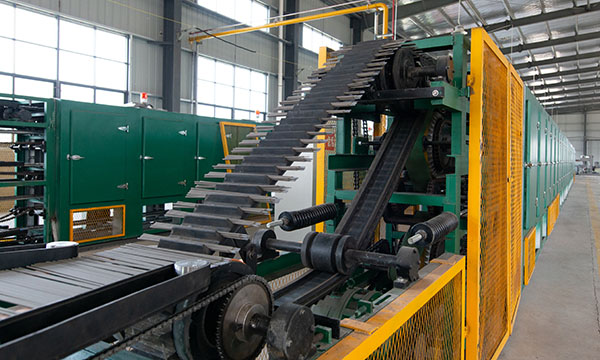
Our facility in Shijiazhuang has undergone a massive transformation towards Industry 4.0 standards. By integrating IoT sensors into our extrusion and baking lines, we maintain a moisture-controlled environment that is critical for 7016 low-hydrogen rod production. This digital oversight eliminates human error and ensures that every batch maintains a consistent chemical composition.
In the current global landscape, supply chain resilience is paramount. We have optimized our logistics by positioning our factory just 20 kilometers from the 107 national highway and near major high-speed shipping lanes. This allows for rapid transit to the port of Tianjin, ensuring that our international OEM partners receive their orders with minimal lead times despite global shipping fluctuations.
We don't just manufacture; we provide macro-industry solutions. Whether it's the development of new alloy coatings for arctic drilling or cost-effective rods for massive bridge projects, our R&D department works in tandem with global procurement teams to deliver "Information Gain"—providing the technical data and performance metrics needed to win high-value tenders.
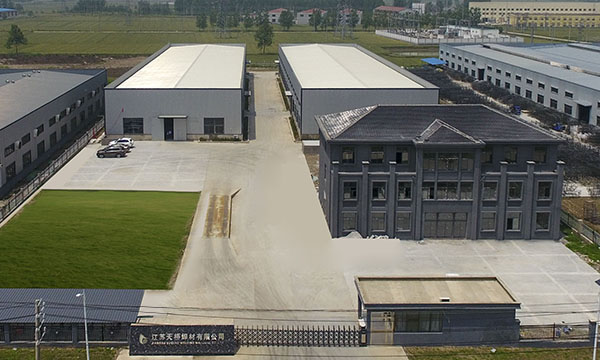
Company Profile: Shijiazhuang Tianqiao Welding Materials Co., Ltd was founded in 2007 located in 30 kilometers in the southwest of shijiazhuang. Our factory traffic is very convenient just 20 kilometers to the west of 107 national highway, also near to the Shixing and Jingzan highway. We have strong technical force, complete product testing equipment so that we can keep stable product quality. Our company is composed of production department, technical department, R&D department, QC & Laboratory, Sale department, Logistic department.
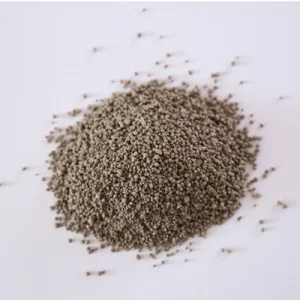
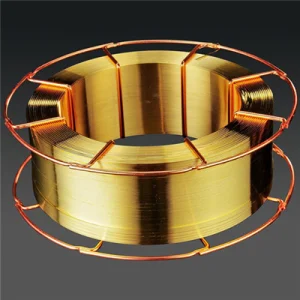
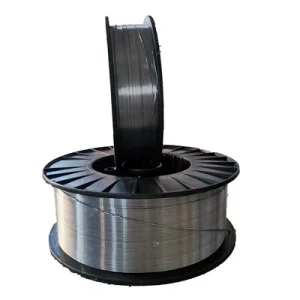
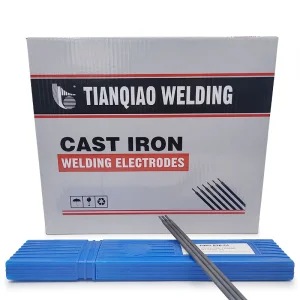
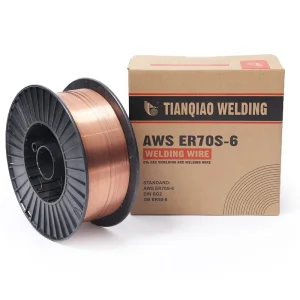
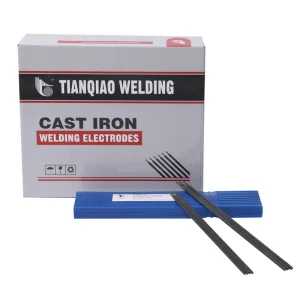
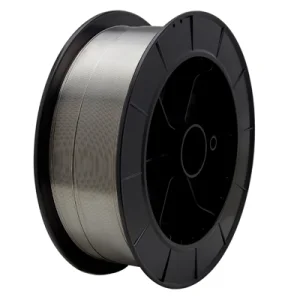
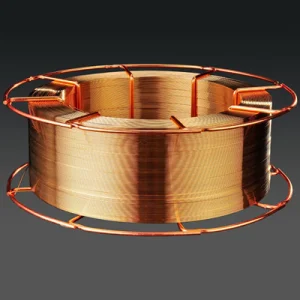
Company Products: Our products include kinds of welding electrodes with the brand of "Yuanqiao", "Changshan", such as low carbon steel, Iow alIoy steel, heat-resistant steels, low temperature steel, stainless steel, cast iron, hard surfacing welding electrodes. All kinds of sintered flux and various kinds of welding wire and various mixed welding powder.
Product Application: The products are widely used in various nationaI economic fields, such as machinery, metallurgy, petroleum chemical industry, boiler, pressure vessel, the ships, the buildings, and so on. Our products meet customers warm welcome due to the excellent quality, outstanding performance and competitive price.
Sales Market: Our products are one hundred percent exported and have sold worldwidely, mainly to US, Europe, South America, Australia, Africa, Middle East, Southeast Asia and etc. Under the spirit of "Supreme Quality, Honesty, Win-win Cooperation", we are willing to achieve common development and create brilliance with all of customers.
We provide full documentation for international compliance, including ISO 9001, CE, and AWS certifications. Our localized support ensures that technical data sheets (TDS) and safety data sheets (SDS) are available in multiple languages to meet regional regulatory requirements.
The next generation of our 7016 rods will focus on low-fume technology. By refining the silicate binders, we aim to reduce hexavalent chromium emissions by 25%, aligning with the tightening global ESG standards for welder health and safety.
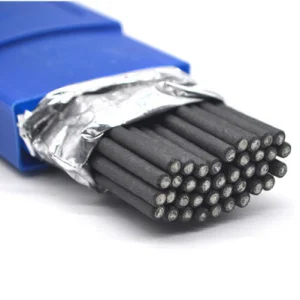
We offer flexible OEM branding and customized packaging options. From vacuum-sealed 5kg canisters to bulk 2-ton shipments, our packaging is designed to maintain the "low-hydrogen" status during long-duration sea freight transit.
Expert Insights into 7016 Welding Rod Selection and Usage
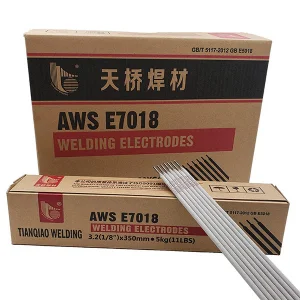
The primary difference lies in the coating. 7018 rods contain iron powder, which increases the deposition rate but makes the arc more difficult to control on low-amperage AC machines. 7016 rods lack this iron powder, offering a more "viscous" slag that is superior for vertical-up welding and out-of-position root passes.
Yes, to maintain their "low-hydrogen" E-E-A-T (Expertise and Trustworthiness), 7016 electrodes should be re-baked at 300-350°C for 1-2 hours if the seal is broken for more than 4 hours. This prevents hydrogen-induced cracking in sensitive steel alloys.
Absolutely. 7016 rods are often preferred for root passes because they provide a stable arc and excellent penetration without the excessive fluid pool that 7018 creates, allowing for better control of the internal bead profile.
Yes, our 7016 formulation is specifically designed to be "inverter-friendly." It has a lower OCV (Open Circuit Voltage) requirement for arc starting, which is ideal for modern compact welding units.
High-Performance Welding Consumables for Every Application
 Tianqiao Welding