In the world of welding, choosing the right materials is crucial. Experts like Li Wei, a prominent figure in the China Welding Rod industry, emphasize the importance of quality. He once stated, "The choice of welding rod can make or break a project." This highlights the need for solid knowledge when selecting China Welding Rods.
This introduction aims to explore the top 10 China Welding Rods. Each rod carries unique properties suited for different jobs. The right rod can enhance your weld quality and durability. For instance, some rods excel in high-temperature environments, while others are better for thin metals. Understanding these nuances is essential.
It’s important to remember that not all welding rods suit every task. Experimentation may be necessary. Inadequate knowledge can lead to costly mistakes or project delays. Being aware of your project's requirements can save time and resources. This journey into the world of China Welding Rods will equip you with the insights needed for successful welding projects.
Overview of Welding Rods and Their Importance in China
Welding rods play a crucial role in various construction and fabrication projects across China. They act as filler materials, creating strong joints between metal parts. According to the China Welding Association, the country is a leading producer of welding rods, contributing over 30% to the global market in recent years. This highlights their importance in manufacturing and infrastructure development.
The right type of welding rod can greatly enhance the quality of the weld. For instance, the choice of material and specification affects the strength and durability of the joint. Reports indicate that around 60% of weld failures are attributed to improper rod selection. This fact stresses the need for thorough understanding and knowledge among welders. Nevertheless, many practitioners overlook this critical element, often opting for convenience over performance.
Despite technological advancements, challenges remain. Many users struggle to keep up with evolving standards and specifications. This inconsistency can lead to subpar results. A recent study suggested that periodic training could improve welding quality by up to 30%. Continuous education on the best practices is necessary to mitigate these issues.
Types of Welding Rods Commonly Used in China
Welding rods come in various types, each suited for specific applications. In China, the common options are coated electrodes and solid wire. Coated electrodes are popular due to their versatility and ease of use. These rods create a protective gas shield during welding, which reduces oxidation and improves the integrity of the weld.
Solid wire is often used in MIG welding. It offers a clean finish and strong joint quality. However, it requires a shielding gas, which can be a challenge in outdoor environments. For some projects, the choice between the two can be confusing. Users must consider factors like material type and project scope.
Another type is the flux-cored wire. This option is beneficial for thick materials, providing deep penetration. However, it leaves more slag compared to the other rods. The learning curve can be steep for beginners. Understanding the right rod type enhances project success. Always test different rods to find what works best for your needs.
Top 10 Welding Rods for Various Applications
When choosing welding rods, consider the application. Different rods provide varying characteristics. For general steel work, select rods designed for versatility. These rods handle multiple projects and ensure reliable performance.
For specialized applications, like stainless steel or aluminum, use rods made specifically for those materials. They offer improved adhesion and strength. Selecting the right rod can make a significant impact on your results and project longevity.
Tips: Always check the specifications before starting. Ensure the rod matches your project’s requirements. Improper selection can lead to weak welds. Additionally, maintain cleanliness during the welding process. Contaminants can affect the quality of your weld.
It's essential to reflect on your experiences. What worked? What didn’t? This reflection helps improve future projects. Each welding rod has its own strengths and weaknesses. Understanding these nuances will enhance your overall skill in welding.
Factors to Consider When Choosing Welding Rods
When choosing welding rods, several factors should be considered to ensure optimal results. The first key consideration is the type of welding process you will use.
Different rods are suited for processes like stick welding, TIG, or MIG. For beginners, understanding these differences can be challenging, but it's essential for successful welding.
Material compatibility is another crucial aspect. Different metals require specific rods for strong bonds. For instance, stainless steel rods work best with stainless materials. Using the wrong rod can lead to weak joints. It's essential to consider the base material and the desired strength of the weld.
Tips: Always check rod specifications. They provide vital information about metal types. Selecting the right diameter can make a big difference in performance. Don’t overlook environmental factors either.
Working conditions affect the choice of welding rods. Humidity and temperature can influence your welding process. It’s a subtle point but worth noting.
Lastly, review the coating type on the welding rods. The coating affects the arc stability and spatter. Each coating offers unique properties for different tasks. Understanding these can refine your project outcomes significantly.
Never hesitate to seek advice or read reviews to make an informed choice.
Safety Tips and Best Practices for Using Welding Rods
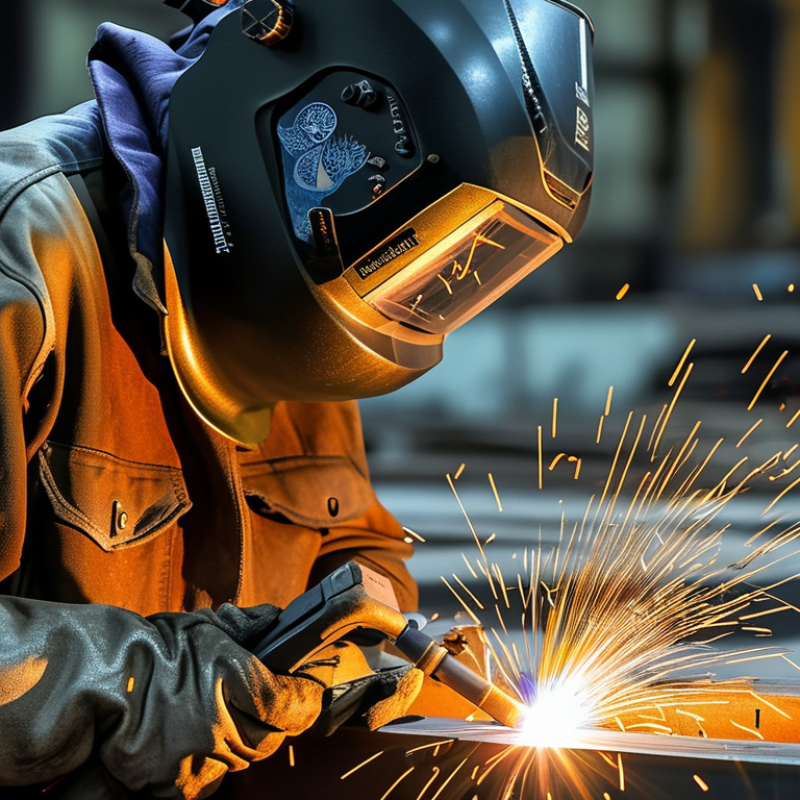
When using welding rods, safety should always come first. Wear protective gear like gloves, goggles, and a welding mask. This equipment shields you from harmful sparks and intense light. Ensure your workspace is free of flammable materials. A clean area reduces fire risks and accidents.
Understanding proper techniques also enhances safety. Hold the welding rod firmly and maintain a stable stance to avoid slips. The angle of your welding rod affects the heat. A wrong angle can lead to poor welds or injury. Some welders hesitate to adjust their technique. Reflecting on one's approach can lead to better practices.
Regularly inspect your welding equipment. Look for damage or wear that could pose risks. Even small faults can cause major issues. A proactive mindset towards equipment maintenance is crucial. Learning from past mistakes prepares you for future projects. Keeping safety at the forefront is vital in welding.
FAQS
: Common types include coated electrodes, solid wire, and flux-cored wire. Each serves different needs.
They are versatile and easy to use. They create a protective gas shield, improving weld quality.
Solid wire provides a clean finish and strong joints. However, it needs shielding gas, especially outdoors.
Consider the welding process, material compatibility, and rod specifications. Each factor significantly impacts results.
Different materials require specific rods. Using the wrong one can lead to weak joints and poor performance.
Always wear gloves, goggles, and a welding mask. They protect against sparks and harmful light.
Humidity and temperature influence your welding process. A clean, organized area reduces risks.
Regularly inspect for damage or wear. Even small faults can lead to serious issues during welding.
Reflecting on their approach can enhance skills. Maintaining a stable stance and proper angles is essential.
Seek advice or read reviews. Testing different rods can help find the best fit for your projects.
Conclusion
Welding rods play a crucial role in various welding applications, particularly in China, where their quality and types can significantly impact the outcome of projects. This article provides an overview of the importance of welding rods in China, detailing the different types commonly used in the industry. It highlights the top 10 China welding rods recommended for various applications, ensuring that welders can choose the most suitable option for their specific needs.
When selecting welding rods, several factors should be considered, including material type, diameter, and intended application. Additionally, safety tips and best practices for using welding rods are emphasized to promote a secure working environment. Understanding these elements is essential for welders in China to enhance their efficiency and achieve optimal results in their projects.

 Tianqiao Welding