Choosing the right Acid Welding Electrodes is crucial for achieving strong welds. Expert welder John Smith emphasizes, “The right electrode can make or break your project.” With many options available, selecting the compatible electrodes is more complex than it seems. Factors like base metal composition and welding position significantly impact the choice.
Acid Welding Electrodes often require careful consideration of their coating and diameter. A thick coating can leave a smoother weld, while a thinner one may be better for precision work. Experienced welders know that testing different electrodes can refine their skills. This experimentation may lead to unexpected preferences.
Reflecting on past experiences can reveal insights into electrode selection. Mistakes made during past projects often teach valuable lessons. Prioritizing quality over cost is essential, as cheap electrodes may compromise the overall integrity of your work. Striking the right balance between cost and quality will ultimately lead to better welding results.
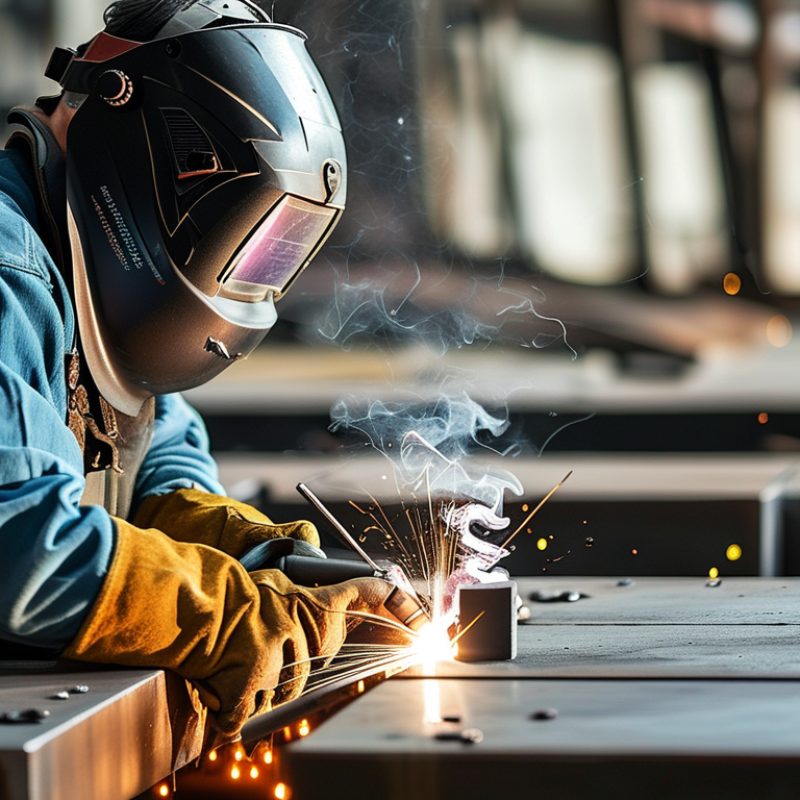
Understanding acid welding electrodes is essential for anyone involved in welding. These electrodes contain a coating that provides a protective layer and enhances the welding process. Their primary function is to join ferrous and non-ferrous materials. In various industries, the right electrode choice affects both strength and appearance. Recognizing the right type for your project is crucial.
Different projects require different acid welding electrodes. For instance, some electrodes work best on stainless steel, while others excel with mild steel. Consider the specifications of your base materials. Each electrode has unique properties, such as tensile strength and current type. Pay attention to these factors to ensure a successful weld.
Choosing the right electrodes can be challenging. Many people overlook the importance of matching the electrode to the job. A good practice is to consult with experienced welders. They often have insights that can save time and material costs. It's worth noting that trial and error may be part of the learning process. Experimentation leads to better understanding and improved results over time.
Selecting the right acid welding electrode is crucial for successful projects. One key factor is the type of metal you are welding. Different metals require specific electrode compositions. For example, stainless steel and carbon steel typically need different welding rods. Assess the metal type before making a choice.
Another important aspect is the electrode diameter. Larger diameters can transfer more heat but may create a thicker weld bead. Smaller diameters provide more control for detail work. Factors such as the thickness of the base metal also play a role in this decision. If the metal is thin, a smaller diameter can prevent burn-through.
Lastly, consider the welding position. Some electrodes perform better in flat positions, while others excel in overhead or vertical applications. Understanding the environment will influence your electrode choice. It's also vital to experiment and learn from mistakes. Trial and error can lead to better results in welding quality. Adjusting your selection process based on experience will help in refining your technique.
When selecting the right acid welding electrodes, it's essential to understand different types available. Each type has unique characteristics that suit specific applications. For instance, cellulosic electrodes create a lot of gas during welding, which is useful in outdoor conditions. This type helps shield the weld from contamination.
Rutile electrodes, on the other hand, produce smooth welds. They work well on thin materials, providing a clean finish. However, they also have limitations. If used improperly, they can lead to issues like poor penetration.
There are also basic-coated electrodes. These offer versatility in different positions. While they can handle various materials, choosing the right diameter is crucial. A smaller diameter can lead to easier handling but might affect overall strength. It’s vital to balance these factors when making a decision. Consider your specific project needs and work conditions carefully.
When using acid welding electrodes, safety is paramount. Always wear protective gloves and goggles to shield against splashes. Proper ventilation is crucial. Fumes generated during welding can be hazardous. Ensure your workspace is well-ventilated to avoid inhaling toxic particles.
Be mindful of your surroundings when welding. Flammable materials should be at a safe distance. Check for any potential hazards before you begin your work. It’s essential to have a fire extinguisher readily available.
Consider your health. Prolonged exposure to welding fumes can cause respiratory issues. Pause regularly to get fresh air. Remember that taking shortcuts for convenience can lead to serious accidents. Safety should never be compromised, even in small tasks.
| Dimension | Detail |
|---|---|
| Electrode Type | 6013, 7018, 308L |
| Welding Position | Flat, Horizontal, Vertical |
| Application | Steel Structures, Pipelines, Maintenance |
| Diameter | 1.6mm, 2.4mm, 3.2mm |
| Chemical Composition | Carbon, Manganese, Silicon |
| Safety Precautions | Use PPE, Proper Ventilation, Fire Safety |
| Storage Conditions | Dry Environment, Avoid Humidity |
| Manufacturer Guidelines | Follow Specifications and Recommendations |
Proper maintenance and storage of acid welding electrodes are essential for optimal performance. Humidity can significantly affect welding outcomes. Store electrodes in a dry place to prevent moisture accumulation. Keeping them in airtight containers can offer extra protection. Regularly check for any signs of rust or corrosion. Discard any electrodes that show significant damage.
Keeping your workspace organized is equally important. Ensure that all tools and materials are easily accessible. This will reduce the likelihood of accidents and maintain a more efficient work environment. Always keep electrodes away from potential contaminants. Even a small amount of oil can hinder welding quality.
Remember to check the environment where electrodes are stored. Extreme temperatures can alter their properties. Periodically review your storage conditions. Reflect on whether current practices meet best standards. By paying attention to these details, you enhance both safety and quality in your work.
: Consider the type of metal you are welding. Different metals need specific electrode compositions.
Larger diameters transfer more heat but may create thicker beads. Smaller diameters offer better control for detail.
Some electrodes perform better in flat positions, while others excel in vertical or overhead tasks.
Always wear gloves and goggles. Ensure proper ventilation to avoid inhaling fumes.
Keep flammable items at a safe distance from your welding area to avoid potential hazards.
Store in a dry place. Use airtight containers and regularly check for rust or corrosion.
Humidity can negatively affect performance. Keep electrodes dry to ensure optimal welding quality.
An organized workspace reduces accidents and increases efficiency while working on welding projects.
Yes, extreme temperatures can alter electrode properties. Review storage conditions periodically.
Experiment and learn from your mistakes. Reflecting on your experiences can lead to refined techniques.
Acid Welding Electrodes are essential tools in the welding industry, specifically designed for applications that require strong adhesion to various metals. Understanding their characteristics and uses is crucial when selecting the right electrode for a particular job. Key factors to consider include the type of metal being welded, the intended application, and the environmental conditions where welding will take place.
Moreover, it’s important to compare different types of Acid Welding Electrodes, as each may offer unique benefits based on their composition and coating. Safety is paramount when working with these electrodes; therefore, adhering to essential safety tips can significantly reduce risks. Lastly, proper maintenance and storage of Acid Welding Electrodes extend their lifespan and ensure consistent performance. By following these guidelines, welders can achieve optimal results while prioritizing safety and efficiency.

Tianqiao Welding