In the world of manufacturing, Steel Welding techniques stand at the forefront. Buyers across the globe seek reliable methods to ensure quality and durability in their steel structures. The demand for innovative welding solutions has surged, driven by advancements in technology and industrial applications.
Understanding the intricacies of different Steel Welding techniques is crucial. Each method presents its own advantages and challenges. For instance, MIG welding offers speed and versatility but may not suit all projects. Conversely, TIG welding provides precision but requires skilled operators. This juxtaposition highlights the need for knowledge in selecting the right technique.
As industries evolve, so too do the expectations of buyers. They are increasingly seeking not just cost-effective solutions but also sustainable practices in Steel Welding. Providers must adapt and demonstrate expertise in these areas. By exploring these top techniques, global buyers can make informed decisions that enhance their project outcomes and ensure long-lasting results.
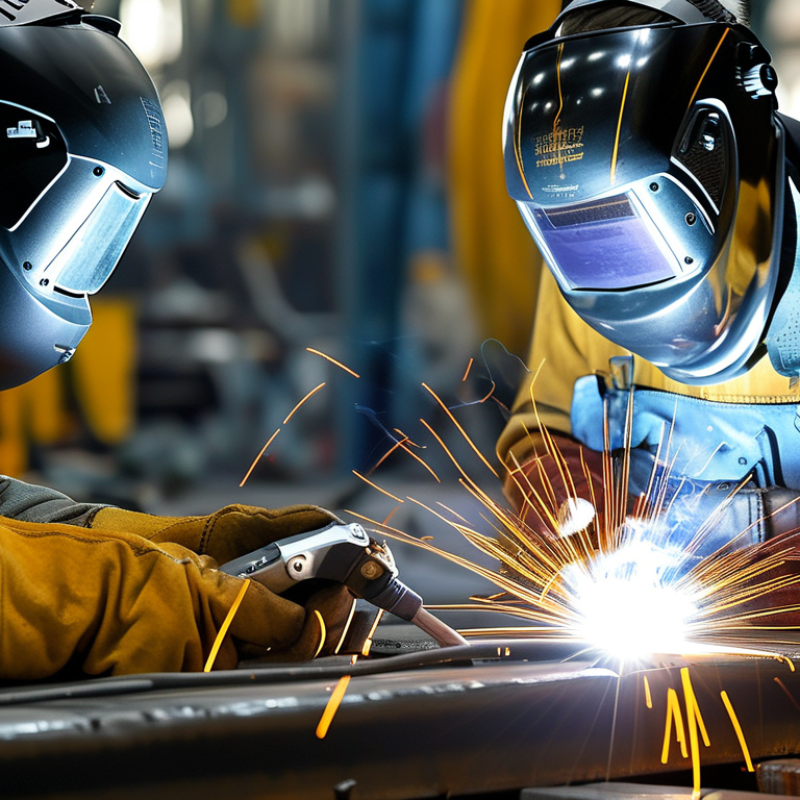
In the global steel industry, welding techniques are pivotal. The most common methods include MIG, TIG, and stick welding. According to a recent report by Market Research Future, the global welding equipment market is projected to reach $23 billion by 2026. This growth signals a rising demand for advanced welding technologies across various sectors.
MIG (Metal Inert Gas) welding is favored for its speed and versatility. It’s ideal for thin materials. TIG (Tungsten Inert Gas) welding offers precision. It's often used for intricate welds. However, it requires more skill. Stick welding, while older, remains popular in heavy-duty applications. Each technique has strengths and weaknesses, which buyers must weigh based on their needs.
Emerging innovations, like robotic welding, streamline production. Yet, companies must consider initial costs and training. As noted in a report by Allied Market Research, automation in welding can enhance efficiency by 67%. The right technique influences not just performance but overall efficiency and costs. Buyers face a crucial decision in selecting the appropriate method for their projects.
When selecting a steel welding technique, several factors come into play. The type of steel significantly impacts the decision. For instance, carbon steel and stainless steel require different approaches. Understanding the specific properties of these materials is crucial.
Welding position also matters. Certain positions can complicate the process and affect the quality. Techniques like MIG and TIG welds offer flexibility but might have different outcomes in vertical or overhead positions. The welder’s skill level also influences the choice of technique. A more experienced welder may successfully use advanced methods, while a beginner should stick to simpler options.
Environmental conditions should not be overlooked. Factors such as temperature and humidity can affect weld quality. Outdoor welding faces challenges with wind and moisture. Each project's requirements must align with the selected technique. Balancing these variables often demands careful reconsideration. It's not uncommon to reassess choices mid-project for optimal results.
MIG, TIG, and Stick welding are popular methods for steel welding. Each technique has its pros and cons. Understanding these can help global buyers choose the right method for their projects.
MIG welding, or Metal Inert Gas welding, is known for its speed. It is great for beginners as it is easy to learn. However, it requires a clean metal surface. Contaminants can lead to defects. When using MIG, ensure proper gas flow. This prevents oxidation.
TIG welding, or Tungsten Inert Gas welding, offers high precision. It is ideal for thin steel. However, it demands more skill. The process is slower compared to MIG. This might not suit all projects. Practicing on scrap metal can improve your technique.
Stick welding is versatile and works well outdoors. It uses a stick electrode for welding. This method is less sensitive to wind and contamination. Yet, it can create a rougher weld. Pay attention to the angle of the electrode. This impacts your results. All methods have their strengths and weaknesses. Making a choice depends on your specific needs and experience level.
| Welding Method | Process Description | Advantages | Common Applications |
|---|---|---|---|
| MIG Welding | Metal Inert Gas welding uses a continuous wire feed to create an electric arc between the wire and the workpiece. | Fast and versatile, ideal for thin materials. | Automotive, construction, and manufacturing industries. |
| TIG Welding | Tungsten Inert Gas welding involves a non-consumable tungsten electrode to produce the weld. | Produces high-quality, precise welds; suitable for all metals. | Aerospace, piping, and artistic metalworks. |
| Stick Welding | Shielded Metal Arc Welding uses an electrode coated in flux to create the weld. | Highly portable, effective in windy conditions. | Construction, repair and maintenance works. |
Steel welding is evolving rapidly, emphasizing the need for advanced technologies in global applications. One notable technique is laser welding, which offers high precision and speed. This method enhances productivity while minimizing distortion. Many industries benefit from this approach, especially in automotive and aerospace sectors.
Another significant technology is robotic welding. Robots can perform repetitive tasks with consistency and accuracy. This reduces human error and increases overall efficiency. Training is essential as operators need to understand both the technology and the welding process itself.
However, adopting these advanced techniques isn't without challenges. High initial costs may deter some manufacturers. Moreover, the need for skilled personnel remains a critical issue. As technologies advance, ongoing education is necessary to keep the workforce updated. Balancing innovation with practicality is vital for successful implementation.
Quality control in steel welding techniques is crucial for ensuring optimal performance and durability of welded structures. Achieving flawless welds involves rigorous inspection and testing practices. Visual examinations are essential and can reveal surface defects. However, relying solely on visuals often leads to oversights. Incorporating advanced techniques like ultrasonic testing can provide deeper insights into weld integrity. This approach identifies internal flaws that may not be visible, enhancing overall quality.
Documentation plays a significant role in quality control. Maintaining detailed records of welding parameters, including temperature and pressure, helps in tracking processes. This data can pinpoint inconsistencies and lead to improvements. Regular audits of welding equipment are also necessary. Equipment that is not calibrated correctly can result in poor welds. Even well-trained welders sometimes overlook details in high-pressure environments. Continuous training and assessment of skills ensure that workers stay updated on best practices. Engaging in peer reviews can promote greater accountability and knowledge sharing.
Attention to the environment where welding takes place cannot be ignored. Factors like temperature and humidity can significantly impact weld quality. A controlled setting can mitigate these risks. Moreover, feedback loops between teams can foster a culture of safety and responsibility. Some projects may not achieve the expected outcomes due to neglected quality standards. Reflecting on these challenges can inspire better practices and drive continuous improvement in steel welding techniques.
: The type of steel, welding position, and the welder's skill level are key factors in technique selection.
Different steels, like carbon and stainless, need unique approaches for effective welding.
Welding position can complicate processes and impact the quality of the weld.
Temperature and humidity can affect weld quality, especially in outdoor settings.
Laser welding offers high precision and speed, reducing distortion and increasing productivity.
High costs and the need for skilled personnel are significant challenges for manufacturers.
Quality control ensures the durability and performance of welded structures through rigorous inspection.
Keeping detailed records of welding parameters helps identify inconsistencies and improve processes.
Temperature and humidity fluctuations can significantly affect the welding outcome.
Reflecting on challenges and engaging in peer reviews can inspire better practices.
The article "Top Steel Welding Techniques for Global Buyers" provides a comprehensive overview of the various steel welding techniques employed around the world. It emphasizes the importance of selecting the right method based on key factors such as material type, thickness, and project requirements. The discussion highlights three popular steel welding methods: MIG, TIG, and Stick Welding, each with its own advantages and applications.
Additionally, the article explores advanced technologies that are shaping the future of steel welding for global applications, including automation and robotics. Best practices for quality control in steel welding techniques are also outlined, ensuring that project standards are met and enhancing the overall integrity of welds. This synthesis of insights serves as a valuable resource for buyers seeking to understand and implement effective steel welding practices in their operations.

Tianqiao Welding