Choosing the best Welding Consumable supplier in China requires more than comparing prices. It demands evidence, technical judgment, and disciplined factory checks. The MarketsandMarkets report estimates that the global welding consumables market will grow steadily through 2028. The report links this growth to construction, energy, transportation, and manufacturing demand. That growth creates opportunity, but also noise.
A reliable supplier should provide batch certificates, AWS or ISO compliance evidence, traceability records, and stable chemical analysis. Ask for the exact electrode coating, wire diameter, tensile strength, impact results, and storage conditions. A carton may look perfect. Its moisture control may not be. Request production samples, independent laboratory testing, and a documented corrective-action process. Also check whether the factory controls raw wire, flux, packaging, and final inspection internally.
Dr. John C. Lippold, a respected welding-metallurgy expert, states, “Weldability is not a single material property.” This principle matters when selecting a Chinese supplier. Consumables must match the base metal, welding position, shielding gas, current, and required service environment. Grand View Research also identifies infrastructure and industrial investment as important market drivers. However, market growth does not guarantee supplier quality. That assumption is weak.
The strongest sourcing decision combines a factory audit, technical trial, cost review, and risk assessment. Compare delivery records, not promises. Inspect real labels, sealed packages, and warehouse humidity controls. A lower quotation may hide inconsistent batches, rework, or expensive field failures. Even experienced buyers can overlook small details. That is why supplier selection should remain evidence-based, repeatable, and open to reconsideration.
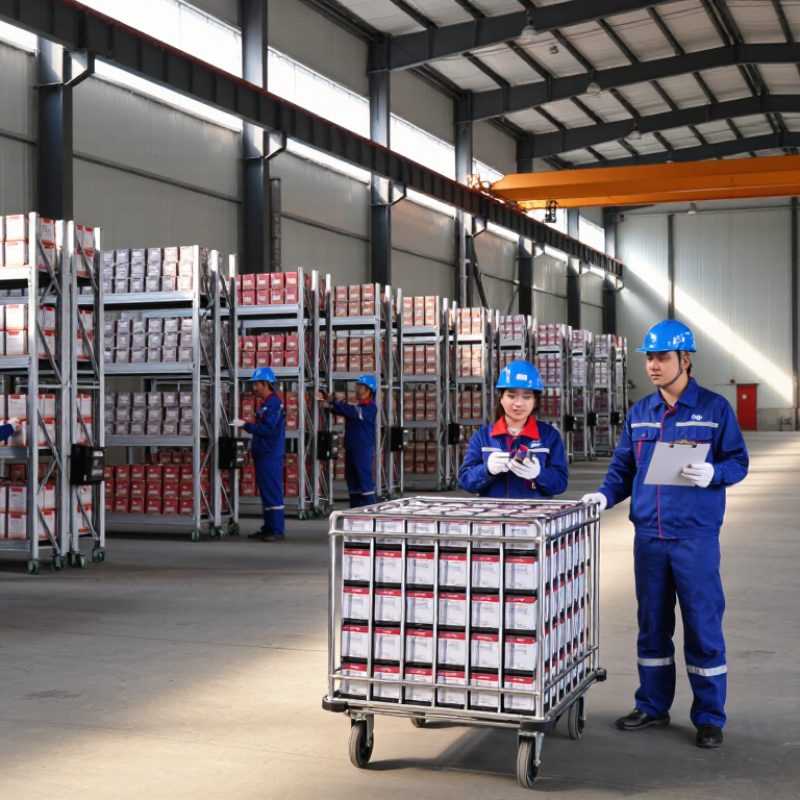
Choosing a welding consumable supplier starts with a precise specification, not a low quoted price. Define base metal grades, thicknesses, joint designs, welding positions, and operating temperatures. State the process clearly: SMAW, GMAW, FCAW, or submerged arc welding. Include wire diameter, electrode classification, shielding gas, and expected deposition rate. Small omissions create large purchasing errors.
Use relevant AWS, ISO, EN, or project-specific requirements as acceptance criteria. Request current mill certificates, batch numbers, chemical analysis, mechanical test results, and compliance declarations. Traceability should connect every carton to production records. Check packaging seals and storage instructions, especially for low-hydrogen electrodes. A reliable supplier should explain re-drying limits and controlled handling procedures. Request sample lots before approving larger orders. Test bead appearance, arc stability, slag removal, and defect rates using your actual settings. Lab data helps.
Evaluate technical support before signing a supply agreement. An experienced supplier will ask about preheat, interpass temperature, polarity, and welder qualification. They should discuss transport humidity and shelf life without vague promises. Inspect their quality system, audit history, and response time for nonconforming material. Do not trust certificates blindly. In practical purchasing, paperwork can look complete while lot marking remains unclear. That weakness needs documented corrective action. Supplier performance should be reviewed against delivered consistency, not presentation quality.
| Requirement Category | Requirement to Define | Typical Specification or Standard | Supplier Evidence to Request | Recommended Acceptance Basis |
|---|---|---|---|---|
| Base Material Compatibility | Base-metal grade, thickness range, joint design, welding position and service environment. | Consumable classification must match the applicable welding procedure and base material requirements. | Technical data sheet, classification certificate and completed welding procedure qualification records where required. | Written confirmation that the consumable is suitable for the specified material, thickness and position. |
| Applicable Standard | The governing classification system and edition required for the project. | Examples include AWS A5.1 for covered electrodes, AWS A5.18 for solid steel wires, AWS A5.20 for carbon-steel flux-cored wires, ISO 2560, ISO 14341 and ISO 17632. | Current certificate of conformity, standard reference, product label and batch documentation. | The stated classification, product marking and test results must correspond to the purchase specification. |
| Consumable Type and Size | Process, consumable form, diameter, spool or package size and required deposition rate. | Common diameters include 1.0, 1.2, 1.6, 2.5, 3.2 and 4.0 mm, subject to process and application requirements. | Product catalogue, dimensional inspection report and packaging photographs or drawings. | Diameter tolerance, net weight and package dimensions comply with the approved purchase order. |
| Chemical Composition | Limits for carbon, manganese, silicon, sulfur, phosphorus, chromium, nickel, molybdenum and other required elements. | Limits must follow the selected classification and project material specification; alloy requirements vary by consumable grade. | Heat analysis or batch chemical analysis report issued against the supplied lot. | Every reported element falls within the applicable classification range and approved welding procedure. |
| Mechanical Properties | Yield strength, tensile strength, elongation and impact toughness of deposited weld metal. | Testing should follow the applicable AWS or ISO classification; impact temperature and minimum energy must be project-defined. | Independent or accredited laboratory test report with sample identification and test method. | Results meet or exceed the specified classification and contract requirements. |
| Diffusible Hydrogen | Maximum hydrogen level required to reduce hydrogen-assisted cracking risk. | Hydrogen designations such as H5, H10 or H15 may be used where applicable; the exact limit depends on the classification and test method. | Diffusible-hydrogen test report, test method, sampling conditions and batch number. | Measured hydrogen level is within the specified designation under documented test conditions. |
| Moisture and Storage Control | Factory sealing, shelf life, exposure limits, re-drying temperature and holding conditions. | Low-hydrogen electrodes commonly require controlled storage and re-drying; exact temperatures must follow the product data sheet. | Moisture-control procedure, packaging specification, storage instructions and shelf-life statement. | Packaging is undamaged and sealed; production date, expiry or recommended use period is clearly identified. |
| Welding Performance | Arc stability, ignition, spatter, slag removal, bead appearance and positional performance. | Performance must be evaluated using the specified current type, polarity, shielding gas and welding parameters. | Sample-welding report, parameter range, visual inspection results and trial-weld records. | Trial welds show stable operation and acceptable visual quality without excessive spatter or difficult slag removal. |
| Defect Control | Controls for porosity, cracks, inclusions, lack of fusion, dimensional defects and surface damage. | Inspection criteria should reference the applicable drawing, welding code and acceptance level for the finished weld. | Quality-control plan, inspection records, nonconformance procedure and corrective-action reports. | No critical defects; agreed visual, dimensional and non-destructive testing criteria are satisfied. |
| Traceability | Ability to trace raw materials, production batch, inspection results and shipment records. | A unique lot or batch number should connect the package label with the quality records. | Batch certificate, production date, lot number, inspection release note and packing list. | All cartons, spools or containers can be matched to the relevant certificate and shipment. |
| Packaging and Labelling | Package integrity, net weight, product classification, diameter, batch number and handling instructions. | Labels should be durable, legible and consistent with the purchase order and applicable standard. | Packaging specification, label sample, pre-shipment inspection photographs and packing procedure. | No torn, wet, corroded or incorrectly labelled packages are accepted. |
| Quality Management | Manufacturing controls, calibration, inspection responsibility and handling of customer complaints. | A documented quality management system and controlled inspection processes should support consistent production. | Quality manual, process flow chart, calibration records, audit reports and corrective-action procedure. | Records are current, controlled and available for the supplied product lot. |
| Inspection and Testing | Required tests before shipment, sampling frequency and responsibility for third-party inspection. | Testing may include chemical analysis, mechanical testing, moisture testing, dimensional inspection and visual examination. | Inspection and test plan, test procedures, sampling records and laboratory qualifications. | The agreed inspection plan is completed before release, with results linked to the shipment lot. |
| Sample Approval | Pre-production sample size, trial-welding conditions and approval responsibilities. | Samples should be tested using the intended welding process, base material and approved parameter range. | Sample identification, trial-weld records, inspection results and approval sign-off. | Mass production begins only after documented sample approval. |
| Delivery and Supply Continuity | Minimum order quantity, production lead time, replenishment capacity and export documentation. | Lead time and order quantity should be agreed by product type, diameter, packaging format and seasonal demand. | Capacity statement, production schedule, shipping documents and contingency plan. | Confirmed quantities and delivery dates are met without substituting an unapproved classification or batch. |
It should review your base metal, joint design, welding position, and expected heat input. Ask for WPS guidance, sample welds, and electrode storage instructions. Catalog language alone is not enough.
Request batch certificates, chemical analysis, tensile results, and production traceability. Confirm every report matches the exact shipped batch. A polished folder proves little.
Humidity can damage electrodes and affect arc stability, slag removal, and weld quality. Check warehouse humidity, drying ovens, and sealed packaging. Small moisture changes matter.
Test samples on your actual steel grades, joint designs, and welding positions. Record arc stability, spatter, slag removal, bead appearance, and penetration. Then verify strength and chemical composition through qualified testing.
An audit can reveal weak controls hidden by attractive samples. Review raw material records, batch numbers, calibration records, and rejected-product procedures. Compare written rules with workshop behavior.
Useful replies include drawings, test data, realistic delivery dates, and clear corrective actions. Request one named technical contact and an agreed response time. Short replies are not enough.
Use a scorecard covering delivery accuracy, batch consistency, response time, complaints, and corrective actions. Review it quarterly. Keep reference samples from accepted batches.
No. A perfect first sample can mislead. Future batches may vary in coating, moisture, or wire surface. Repeated evidence matters more than early confidence.
Choosing the best Welding Consumable supplier in China begins with clearly defining your application requirements, including base materials, welding processes, performance expectations, and applicable quality standards. A reliable supplier should be able to provide consistent products, relevant certifications, sufficient production capacity, and proven technical expertise. When comparing potential partners, evaluate material quality, product variety, pricing transparency, minimum order quantities, lead times, packaging, and delivery terms rather than focusing on price alone.
It is also important to assess the supplier’s quality control procedures, technical support, communication, and after-sales service. Before making a long-term commitment, request product samples, review inspection documents, and, when practical, conduct a factory audit or quality assessment. Monitor sample performance, order consistency, delivery reliability, and responsiveness over time. By combining technical evaluation, commercial comparison, and ongoing supplier performance reviews, buyers can select a dependable partner that supports stable welding quality, efficient procurement, and long-term business development.

 Tianqiao Welding