How to Choose the Best Carbon Steel Welding Electrodes?

Time:2026-06-29 Author:Charlotte
0%

Choosing the right Carbon Steel Welding Electrodes can significantly influence your welding projects. These electrodes are crucial for producing strong and durable welds. With varied options available, understanding their specifications is vital.

When selecting Carbon Steel Welding Electrodes, consider factors like material thickness and joint type. Each electrode offers unique properties and capabilities. Failing to choose wisely may lead to weak joints or structural issues. Additionally, the environment can dictate electrode performance.

It's essential to evaluate your welding needs carefully. Not all electrodes are suitable for every situation. Missteps in selection could result in costly repairs. Knowledge about electrode classifications will help you make informed decisions. Therefore, investing time in research is key to successful welding outcomes.
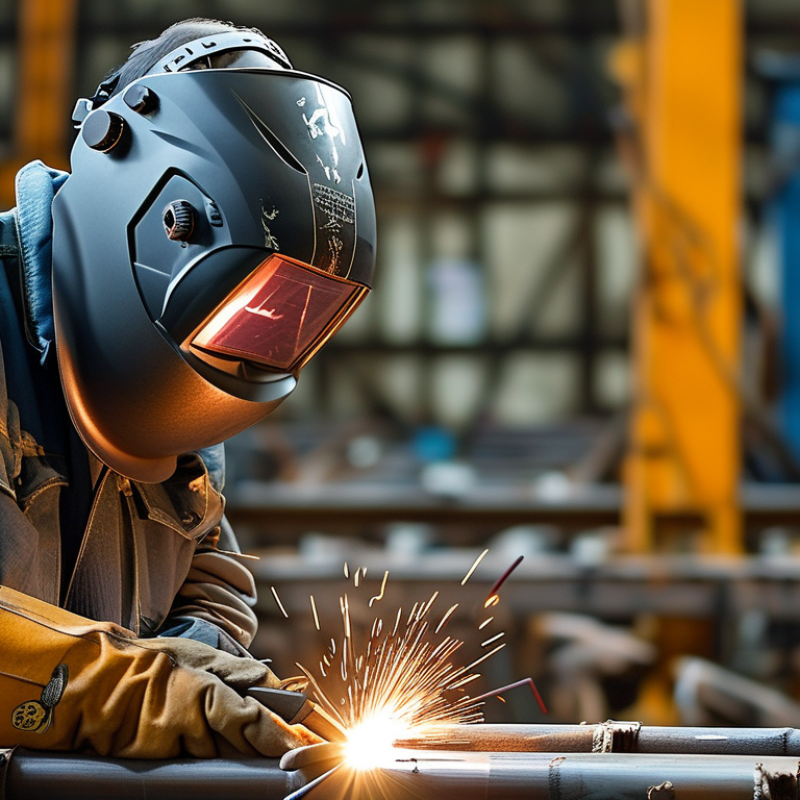
How to Choose the Best Carbon Steel Welding Electrodes?

Factors to Consider When Choosing Carbon Steel Welding Electrodes

Choosing the right carbon steel welding electrodes is crucial for achieving strong and durable welds. Several factors come into play when making this decision.

The type of welding process you plan to use, such as MIG or SMAW, influences your electrode choice. Different electrodes are tailored to specific welding techniques. The anticipated base metal thickness also matters. Thicker metals may require electrodes with higher deposits for effective fusion.

It's essential to consider the electrode diameter as well. A larger diameter is beneficial for thicker materials, providing a deeper penetration. Conversely, a smaller diameter is suitable for thin materials, allowing for finer control. Remember that the welding position can change the effectiveness of your electrode choice. Flat and horizontal welds can utilize different electrodes than vertical or overhead applications.

Tips: Always assess the environmental conditions. Humidity and temperature can affect electrode performance. Keep your electrodes properly stored to prevent moisture absorption. Be aware of your skill level; beginners might benefit from easier-to-use electrodes, while advanced welders can experiment with a wider variety. Ultimately, understanding these factors will lead to better welding results.

Types of Carbon Steel Welding Electrodes Available in the Market

When selecting carbon steel welding electrodes, understanding the types available is crucial. There are various types in the market. The most common include E6011, E6013, and E7018. Each type has unique characteristics suited for specific applications.

E6011 is ideal for rough surfaces. It offers great penetration and can work in various positions. On the other hand, E6013 is popular for its ease of use and is ideal for thin materials. It provides a smooth finish, making it suitable for general welding tasks. E7018, known for its high strength, is often used in structural applications. It provides excellent impact and crack resistance, contributing to a durable weld.

Tips: Always check the specifications of each electrode type. Not all electrodes work well with every welding machine. Consider the base metal's thickness and position. It's vital to match the electrode to the job requirements. This ensures a strong and reliable weld. Remember to evaluate how the electrode performs in different conditions. Testing may reveal unexpected results that can affect your project. Choose wisely!

How to Choose the Best Carbon Steel Welding Electrodes? - Types of Carbon Steel Welding Electrodes Available in the Market

Electrode Type Application Diameter (mm) Current Type Pros Cons
E6011 General purpose 2.5 - 5.0 AC/DC Good penetration, versatile Difficult to use on thin materials
E6013 Sheet metal, thin joints 1.6 - 4.0 AC/DC Smooth finish, easy to use Limited penetration
E7018 High-strength applications 2.4 - 5.0 DC Low hydrogen, excellent impact strength Needs preheating in thick materials
E7010 Pipe welding, root passes 2.5 - 4.0 DC Deep penetration, good for thick materials Challenging for beginners

Understanding Electrode Specifications and Standards

When selecting carbon steel welding electrodes, understanding the specifications and standards is critical. Electrode classifications often include AWS E6010, E6011, and E7018. These designations indicate different chemical compositions, electrical characteristics, and applications. According to the American Welding Society (AWS), specific electrodes perform best for various processes, including DC or AC welding. Each type has its advantages, but using the right specification ensures quality welds.

Tips: Always confirm the electrode’s moisture levels. Excess moisture can lead to defects in the weld. Conduct a visual inspection too; electrodes should remain free from rust and contamination.

Welding performance can significantly vary. For instance, E6010 electrodes are ideal for pipe welding due to their deep penetration. Conversely, E7018 electrodes provide a smoother finish. A report by the International Institute of Welding emphasizes that electrode selection affects stress and strength in the final product. Thus, understanding the materials you work with is vital for project success.

Tips: Keep electrodes stored in a cool, dry place. This practice helps maintain their integrity and enhances overall performance.

Matching Electrodes to Specific Welding Processes and Applications

When selecting carbon steel welding electrodes, it’s essential to consider the specific welding process you will use. Different processes, like MIG or Stick welding, require different electrode types. For example, Stick welding often uses E6011 or E6013 electrodes, which excel in various positions. They offer good penetration and are effective in outdoor conditions. Conversely, MIG welding typically needs solid wires, such as ER70S-6, which are suitable for thin materials and provide clean welds.

Understanding your application is equally important. The thickness of the steel, joint design, and positioning can all influence electrode choice. For thinner materials, consider using a smaller diameter electrode to ensure control during the welding process. This choice can greatly affect the quality of your welds. On the other hand, for heavy structures, larger electrodes may be necessary to achieve the required strength.

In practice, selecting the right electrode may involve some trial and error. Welders often have to experiment to find the best match for their specific conditions. Documenting results can help refine future selections, leading to improved outcomes over time. Balancing these factors might not always yield perfect results initially, but it plays a crucial role in developing effective welding skills.

Tips for Storing and Handling Carbon Steel Welding Electrodes

When it comes to welding, proper storage and handling of carbon steel welding electrodes are crucial for optimal performance. Electrodes are sensitive. Moisture can lead to defects in welds. Thus, storing them correctly should be a priority for any welder.

Keep electrodes in a dry area. A climate-controlled space is ideal. If possible, use airtight containers to prevent moisture ingress. Ensure the storage temperature is consistent. Sudden changes can create condensation, which is harmful. It’s also wise to label containers with the date of purchase and the type of electrodes inside.

Handling electrodes with care is equally important. Avoid dropping them, as this can damage the coating. Always check for any visible signs of moisture or contamination before use. If they feel damp, dry them in a safe manner. Remember, a small oversight can turn into a significant issue during the welding process. Being meticulous in both storage and handling will ultimately enhance the quality of your work.

FAQS

: What should I consider when choosing welding electrodes?

: Consider the welding process, base metal thickness, and electrode diameter for better weld quality.

How does electrode diameter affect welding?

A larger diameter is needed for thicker materials, while a smaller diameter allows for more control over thin materials.

Why is the welding position important?

Different positions, like vertical or overhead, can influence the effectiveness and choice of welding electrodes.

How do environmental conditions impact electrode performance?

Humidity and temperature can affect performance, so it's crucial to assess these conditions before welding.

What’s the best way to store welding electrodes?

Store them in a dry, climate-controlled area in airtight containers to prevent moisture absorption.

Why is handling electrodes carefully important?

Dropping electrodes can damage coatings, so always check for moisture and handle them gently to avoid defects.

Can I experiment with different electrodes?

Yes, trial and error might be necessary to find the best match for specific conditions and applications.

How does material thickness influence electrode choice?

Thicker materials usually need electrodes that provide higher deposits for effective fusion during welding.

Conclusion

When selecting Carbon Steel Welding Electrodes, several critical factors must be considered to ensure optimal performance and quality. Key considerations include the type of electrode that best suits the specific welding application, which can range from mild to high-carbon steel. Understanding the various specifications and standards associated with these electrodes is essential to ensuring compliance with industry requirements.

Moreover, it’s important to match the chosen electrodes to the appropriate welding processes to achieve the desired results. Proper storage and handling of Carbon Steel Welding Electrodes can significantly impact their effectiveness and shelf life, making it a vital aspect of the welding process. By taking these factors into account, welders can ensure a successful and efficient workflow.


Charlotte

Charlotte

Charlotte is a seasoned marketing professional with a deep understanding of the company's portfolio and a passion for elevating its presence in the market. With a keen eye for detail and a commitment to excellence, she ensures that our professional blog is regularly updated with insightful articles......