What Are the Benefits of Using Alkaline Welding Electrodes?

Time:2026-09-02 Author:Amelia
0%

Alkaline Welding Electrodes have gained attention in the welding industry due to their unique properties. These electrodes are designed to produce high-quality welds while minimizing defects. They are particularly known for their versatility in various welding environments.

The use of Alkaline Welding Electrodes leads to improved arc stability. This stability helps in achieving cleaner welds, reducing the need for extensive post-weld cleaning. Users often appreciate the ease with which these electrodes can be handled. Some may overlook the need for proper storage, which can impact performance.

Additionally, Alkaline Welding Electrodes provide excellent penetration and fusion. They open possibilities for innovative welding applications, especially in demanding projects. However, the mechanic must be skilled and knowledgeable when using them. Experience plays a crucial role in maximizing their benefits. Each welder's choice can shape the outcome of a project. Understanding the nuances of these electrodes is key to mastering their use.
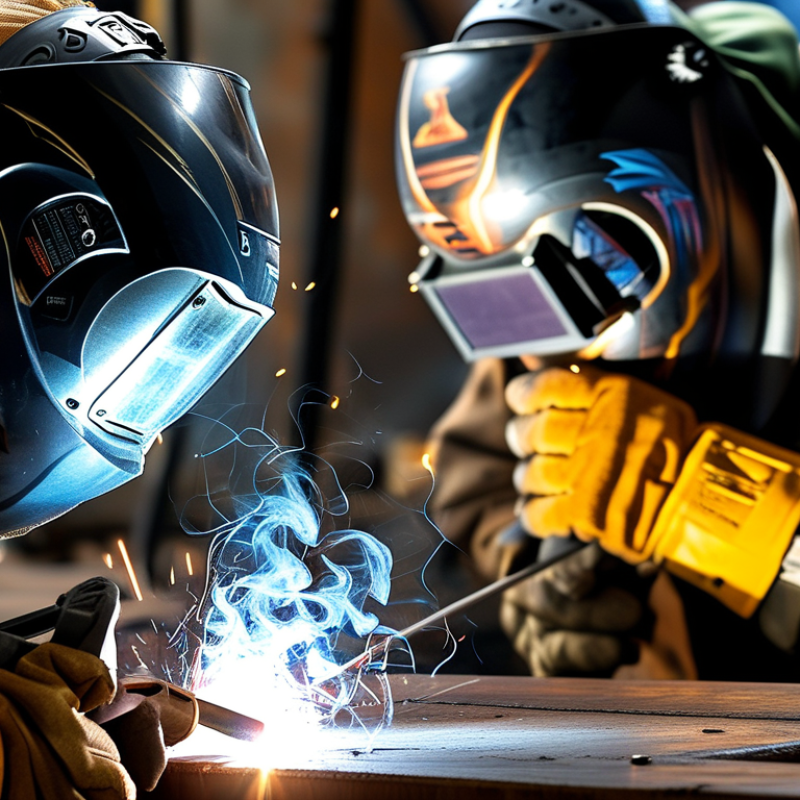
What Are the Benefits of Using Alkaline Welding Electrodes?

Benefits of Alkaline Welding Electrodes in Different Applications

Alkaline welding electrodes offer noteworthy benefits across various applications. Their unique composition allows for excellent control over penetration and bead shape. This results in strong welds with minimal defects. In construction, these electrodes are particularly effective for joining steel components. They perform well in both vertical and overhead positions, making them versatile on job sites.

In underwater welding, alkaline electrodes prove beneficial due to their resistance to corrosion. The protective layer they create during welding helps withstand harsh environments. This quality is crucial for maintaining integrity in marine applications. However, the technique requires precision and experience to avoid issues like hydrogen embrittlement.

When using alkaline electrodes, maintain a consistent welding speed. Too fast can lead to weak joints. Be mindful of cleaning the base metal properly to enhance bonding. Small details can make a significant difference in the quality of your welds. Remember, practice is key. The more you weld, the better your results will be. Respect the learning curve; it's a vital part of the process.

Enhanced Mechanical Properties of Welds Made with Alkaline Electrodes

Alkaline welding electrodes have become increasingly popular in various industries. One significant advantage is their enhanced mechanical properties in welds. According to a report by the International Institute of Welding, welds made with alkaline electrodes often exhibit higher tensile strength and improved ductility. This is particularly beneficial in applications requiring robust joints, such as in construction and heavy machinery.

The process of using alkaline electrodes leads to a low hydrogen environment during welding. This characteristic minimizes the risk of cold cracking in high-strength steels, which is a common issue when using other types of electrodes. As highlighted in a study published by the American Welding Society, the reduced moisture content allows for better fusion and penetration. Welds achieved with alkaline electrodes can withstand stresses that others may not.

While the benefits are clear, there are instances where improper handling can lead to suboptimal results. For instance, if electrodes absorb moisture before use, they can negatively impact weld integrity. This potential drawback suggests the need for careful storage and handling of these electrodes. Ensuring the right conditions is crucial for achieving the full benefits of alkaline welding electrodes in various applications.

Improved Resistance to Cracking and Porosity in Alkaline Electrodes

Alkaline welding electrodes offer significant advantages, especially in improving resistance to cracking and porosity. These electrodes are designed with a specific coating that enhances their ability to handle moisture and contaminants. When used in welding processes, the alkaline formulation helps reduce hydrogen pickup, which is a leading cause of weld cracking. This is crucial for maintaining structural integrity in critical applications.

The ability of alkaline electrodes to minimize porosity is vital. Porosity can lead to weakened welds, which may fail during use. With alkaline electrodes, welders experience a smoother weld bead and improved fusion. This is particularly beneficial in environments where exposure to moisture is inevitable. However, some may find the use of these electrodes challenging. The correct manipulation and technique are essential to fully realize their potential benefits.

While alkaline welding electrodes present clear advantages, they require skilled handling. Inexperience can lead to ineffective welds or unwanted defects. Proper training and knowledge about the welding environment are essential for users. Welders must understand how factors like temperature and humidity influence weld quality. Embracing these complexities can enhance overall welding performance and outcome.

Comparison of Alkaline Electrodes with Other Types of Welding Electrodes

When comparing alkaline welding electrodes to other types, several key factors stand out. Alkaline electrodes offer superior penetration and a smooth arc. Reports suggest that they excel in welding thicker materials due to their high hydrogen content, enhancing overall weld quality. This feature leads to lower susceptibility to cracking in sensitive environments, making them a preferred choice in critical applications, such as structures and pipelines.

In contrast, other electrodes like acidic types can lead to issues like spatter and less control over the welding process. While they may be cheaper, the quality is often compromised. Data indicates that alkaline electrodes can reduce post-weld cleaning time by up to 40%. This translates to increased efficiency in industrial settings, where time is money. However, they may require specific skill sets to handle properly, potentially leading to a higher initial learning curve for welders.

The industry recognizes the importance of electrode selection. A report from the American Welding Society noted that improper electrode choice accounts for nearly one-third of welding defects. Alkaline electrodes, despite their advantages, are not infallible. Misuse can lead to undercutting or decreased mechanical properties. Understanding these elements helps technicians choose the right electrodes for the job.

Cost-Efficiency and Longevity of Alkaline Welding Electrodes in Practice

Alkaline welding electrodes offer significant cost-efficiency in various applications. Their chemical composition allows for a stable arc and lower heat input. This stability results in reduced material waste during projects. With proper technique, welders can achieve a consistent bead with minimal cleanup. However, achieving this consistency requires practice and expertise, which may challenge newer welders.

Longevity is another critical benefit of alkaline electrodes. They tend to have a longer lifespan compared to other types. This characteristic means fewer replacements and lower overhead costs over time. While alkaline electrodes perform well in many situations, they may not be ideal for every metal type. A thorough understanding of their limitations is essential in selecting the right electrode for each project. Balancing performance and costs can often lead to better decision-making in welding practices.

FAQS

: What are the main benefits of using alkaline welding electrodes?

: Alkaline electrodes provide enhanced mechanical properties, higher tensile strength, and improved ductility in welds.

How do alkaline electrodes affect cold cracking?

They create a low hydrogen environment, reducing the risk of cold cracking in high-strength steels.

What can happen if alkaline electrodes absorb moisture?

Moisture absorption can compromise weld integrity, leading to suboptimal outcomes in the welding process.

How do alkaline electrodes compare to acidic ones?

Alkaline electrodes offer better penetration and control, while acidic types may result in spatter and lower quality.

Do alkaline electrodes require specialized skills?

Yes, they often need skilled handling, which can pose challenges for less experienced welders.

What role does electrode choice play in welding defects?

Incorrect electrode choice is a leading cause of welding defects, accounting for nearly one-third of issues.

How does using alkaline electrodes affect post-weld cleaning?

They can reduce cleaning time by up to 40%, leading to more efficient industrial processes.

Are alkaline electrodes durable?

Yes, they generally have a longer lifespan, reducing the need for frequent replacements and lowering costs.

Can alkaline electrodes be used on all metal types?

No, they may not perform well on every metal, highlighting the importance of understanding their limitations.

What is required to achieve consistent weld quality with alkaline electrodes?

Achieving consistency demands practice and expertise from welders, which can be difficult for beginners.

Conclusion

Alkaline welding electrodes offer numerous advantages across various applications. Their enhanced mechanical properties result in stronger, more durable welds that can withstand demanding conditions. Additionally, these electrodes significantly improve resistance to cracking and porosity, which are common challenges faced in welding processes. This makes them particularly suitable for critical applications where weld integrity is paramount.

When comparing alkaline welding electrodes with other types, their cost-efficiency and longevity stand out. Although they may have a higher initial cost, the long-term savings from fewer repairs and replacements make them a practical choice for many industries. Overall, the use of alkaline welding electrodes can lead to superior weld quality and a more reliable welding process, thereby benefiting both manufacturers and end users.


Amelia

Amelia

Amelia is a seasoned marketing professional with a wealth of expertise in our company’s core offerings. With an unwavering passion for driving growth and innovation, she plays a pivotal role in shaping our marketing strategies and enhancing brand visibility. A key aspect of her responsibilities......