Arc welding is a critical process in metal fabrication, and the choice of Arc Welding Electrodes plays a vital role in its success. Expert welder John Smith states, “The right electrode can make or break your weld,” highlighting the significance of selecting the appropriate materials. Understanding the types and characteristics of Arc Welding Electrodes is essential for effective welding operations.
Various factors influence the selection of welding electrodes. These include the base material, the type of welding process, and environmental conditions. For instance, using a low-hydrogen electrode can be crucial for welding high-strength steels. Additionally, electrode diameter affects penetration and arc stability. More experienced welders often suggest consulting specifications provided by manufacturers to avoid common pitfalls.
However, even professionals sometimes struggle with electrode selection. Misunderstanding the specifications can lead to issues like poor weld quality or structural weaknesses. Recognizing this complexity in Arc Welding Electrodes prompts ongoing reflection and learning in the welding community, ultimately ensuring better results and safer practices.
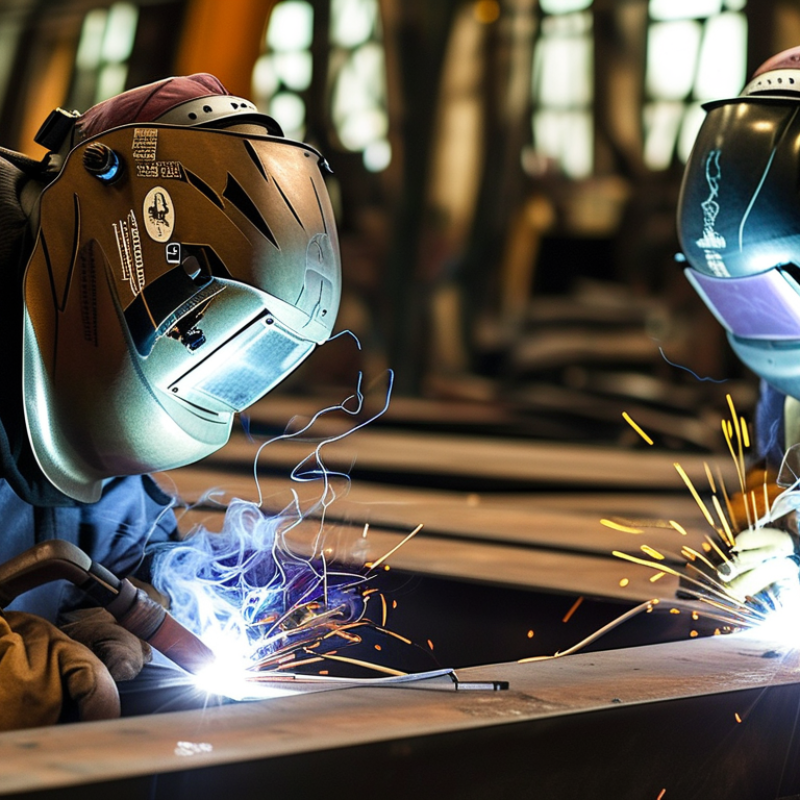
Arc welding electrodes are essential components in the welding process. They conduct electricity, creating the arc needed to melt metal. Different types of electrodes are designed for various materials and welding positions. Understanding these differences is crucial for optimal results.
Choosing the right electrode can make a significant difference in your project. Factors include the material type, thickness, and the welding position. For example, if you're welding carbon steel, a mild steel electrode might be ideal. However, for stainless steel, a specialty electrode is often necessary.
Tips: Always check the compatibility of the electrode with the base material. Inadequate selection can lead to poor weld quality. Remember, the arc length also affects the welding process; it should be consistent for smoother results. Practicing with different electrodes helps understand their behavior and effectiveness.
Moreover, the environment can impact electrode performance. If conditions are windy or damp, you may face challenges like arc blow or contamination. It's essential to adjust your technique based on these factors. Using the correct electrode can boost efficiency and improve the final product's aesthetics. Experimentation is key to mastering electrode selection.
Arc welding electrodes are vital tools in welding processes. They serve as the conductive medium through which an electric current passes to create a weld. Choosing the right electrode can significantly impact the quality of the weld and the efficiency of the process.
There are several types of arc welding electrodes. For instance, E6010 electrodes are ideal for deep penetration welding in various positions. On the other hand, E7018 electrodes are commonly used for structural steel due to their excellent strength and arc stability. Each type has unique characteristics, affecting the weld's appearance and integrity. It's essential to consider the material type and position when selecting electrodes.
Tips: Always match the electrode type with your base material. Don’t hesitate to experiment with samples before committing to a large project. Review your welds afterward to identify areas for improvement. Constructive reflection is key to becoming a better welder. Understanding each electrode type’s application will enhance your welding skills significantly.
When choosing arc welding electrodes, several critical factors come into play. Understanding these elements can greatly affect the quality of your welds. The composition of the electrode is essential. Different materials, such as mild steel, stainless steel, or aluminum, dictate the appropriate electrode type. The American Welding Society (AWS) provides guidelines for selecting electrodes based on the base metal being welded. For instance, an E7018 rod is common for low-alloy steel.
Another factor to consider is the electrode coating. The coating affects how the electrode performs in various environments. It influences arc stability, bead appearance, and slag removal. According to industry reports, coatings can significantly enhance weld quality when matched appropriately to the welding process. Notably, fast-freeze coatings are preferable for vertical and overhead applications, providing a better grip and reducing sagging.
Welding position is also crucial. It impacts the choice of electrode diameter and type. For root passes in pipe welding, a smaller electrode may work better. Additionally, selecting the right current type—AC or DC—can influence penetration and bead shape. Industry statistics indicate that improper electrode selection can lead to up to 30% defects in welds. Thus, careful consideration of these factors ensures strong, reliable welds.
Choosing the right arc welding electrodes is crucial for achieving quality welds. Different applications require specific electrode types. For instance, mild steel welding often uses E7018 electrodes for their excellent mechanical properties. On the other hand, E6010 electrodes are better for root passes because of their deep penetration and fast freezing characteristics.
When selecting an electrode, consider the material thickness and position. Thicker materials usually need electrodes with higher deposition rates. For vertical or overhead positions, choose electrodes designed for better control and less spatter. Remember, not all electrodes perform well in every condition. Testing different types can lead to better results.
**Tips:** Always refer to technical specifications. Review welding codes and best practices. Testing and practice help refine your skills. If you notice inconsistencies in your welds, it may be time to reevaluate your electrode choice. Understand you're learning; adjust accordingly for improved performance.
Proper handling and storage of arc welding electrodes are essential. The quality of welds depends significantly on these factors. Electrodes attract moisture, making them less effective. Keep them in a dry environment to prevent contamination.
Store electrodes upright in a sealed container. This simple practice protects them from contamination. Consider using a dedicated storage rack. This helps keep your workspace organized. A cluttered area can lead to accidents. Observe the expiration dates of electrodes, too. Using outdated ones can weaken your welds.
When handling electrodes, wear protective gloves. This protects your hands from injuries. Inspect each electrode before use for signs of damage. Damaged electrodes might lead to poor weld quality. Always practice cleanliness. Clean your work area regularly to avoid any debris and contamination. The effort you put into handling and storage pays off in the long run.
This chart displays the relationship between the diameter of arc welding electrodes and the number of common applications. Understanding this relationship can assist in choosing the correct electrode for specific welding tasks.
: Arc welding electrodes conduct electricity to create the necessary arc for melting metal during welding.
Consider the material type, thickness, and welding position. Each factor impacts the quality of your weld.
The coating affects arc stability, bead appearance, and slag removal. Proper matching can enhance weld quality.
Poor selection can lead to weak welds and possibly more than 30% defects. Careful consideration is vital.
Windy or damp conditions can cause arc blow or contamination, challenging your welding technique.
Practicing helps you understand each electrode's unique behavior and effectiveness for various projects.
Fast-freeze coatings are ideal for vertical and overhead applications, providing better grip and reducing sag.
It determines electrode diameter and type, affecting performance and overall weld quality.
Yes, the right electrode can improve the final product's appearance significantly.
Yes, reviewing your welds helps identify improvement areas and enhances your skills over time.
Arc Welding Electrodes are essential components in the arc welding process, serving as a conduit for the welding current while simultaneously contributing to the weld pool. Different types of Arc Welding Electrodes, such as consumable and non-consumable, cater to various welding needs based on the materials being joined. Understanding the characteristics of these electrodes is crucial for selecting the appropriate type based on specific welding applications.
When choosing Arc Welding Electrodes, several factors must be considered, including the base material, thickness, and desired weld quality. Matching the correct electrode type to the application ensures optimal performance and durability of the weld. Additionally, proper handling and storage of electrods, such as keeping them dry and preventing contamination, are vital for maintaining their effectiveness. By following these guidelines, welders can enhance the quality of their work and achieve successful welding outcomes.

Tianqiao Welding